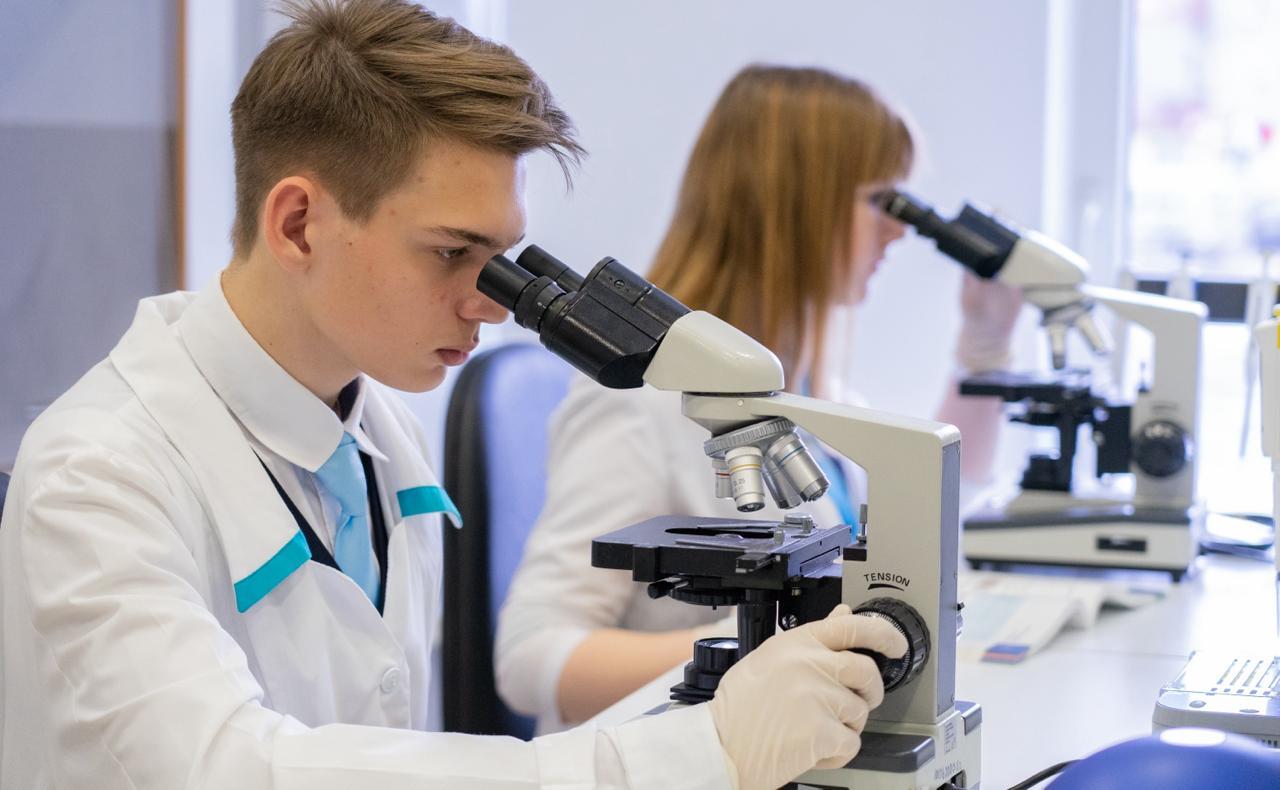
As part of the national project “Science and Universities,” a new youth laboratory will be created in Derzhavin University, which will specialize in biotechnology to combat climate change. Youth laboratories are modern spaces where young scientists work on applied research under the guidance of experienced mentors. This is the first time such a project has been implemented at our university. The laboratory will develop innovative feed additives based on algae biomass, designed to reduce methane generation in livestock farming. As it is known, methane has the strongest greenhouse effect, so the expected research results have significant potential for reducing greenhouse gas emissions into the atmosphere. At the same time, a new method for obtaining biomass will be based on the use of open technological reservoirs, which will help overcome the main technical and economic limitation of such approaches associated with the high cost of cultivating microalgae in artificial photobioreactors. In the course of the work, scientists will have to identify the most productive and sustainable types of microalgae, develop approaches for targeted correction of the composition of natural microbiocenoses, assess the content of biochemical components in algal biomass that are effective against bovine rumen methanogens, and test new feed additives on animals. A distinctive feature of the youth laboratory will be its composition, 80% of which is represented by researchers under the age of 35. During the implementation of the project, the proportion of young employees will be maintained. The biotechnological direction is being formed in Derzhavin Universityas the basis of one of the strategic projects of the university development program within the framework of the state university support program Priority 2030. Several biotechnological projects of university scientists have previously been supported by grants from the Russian Science Foundation.
Photogallery
1/1
—