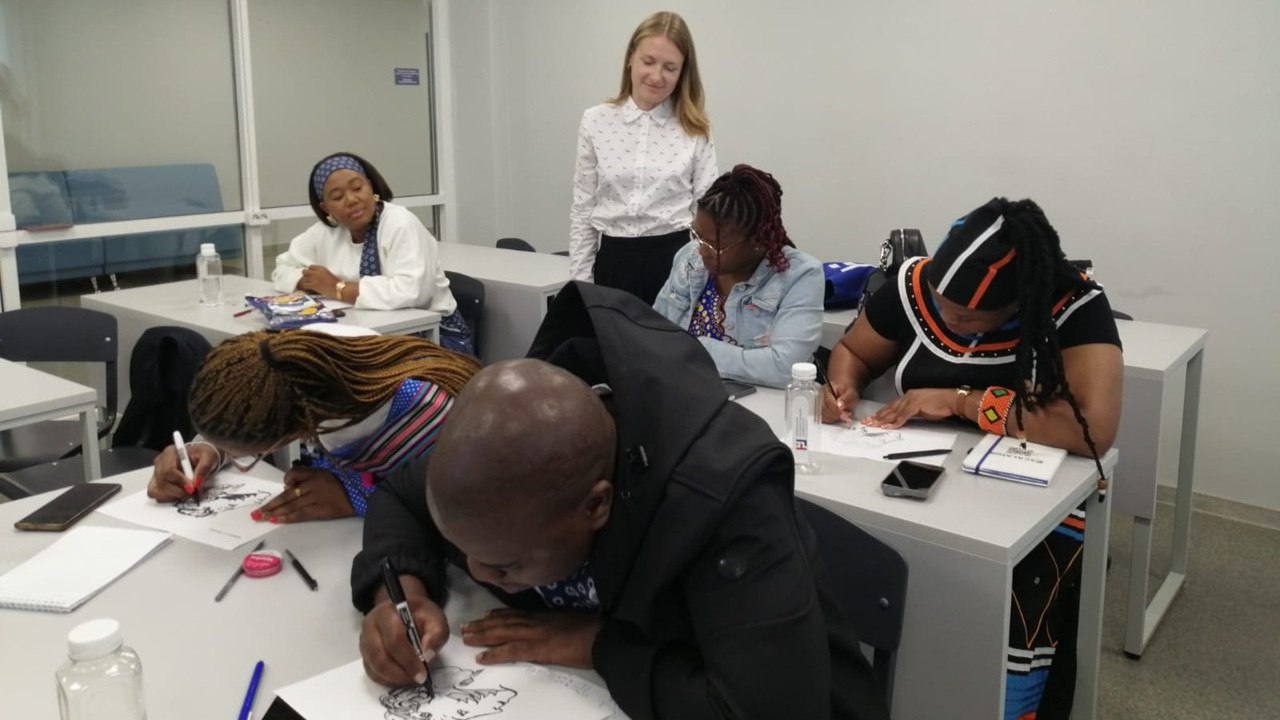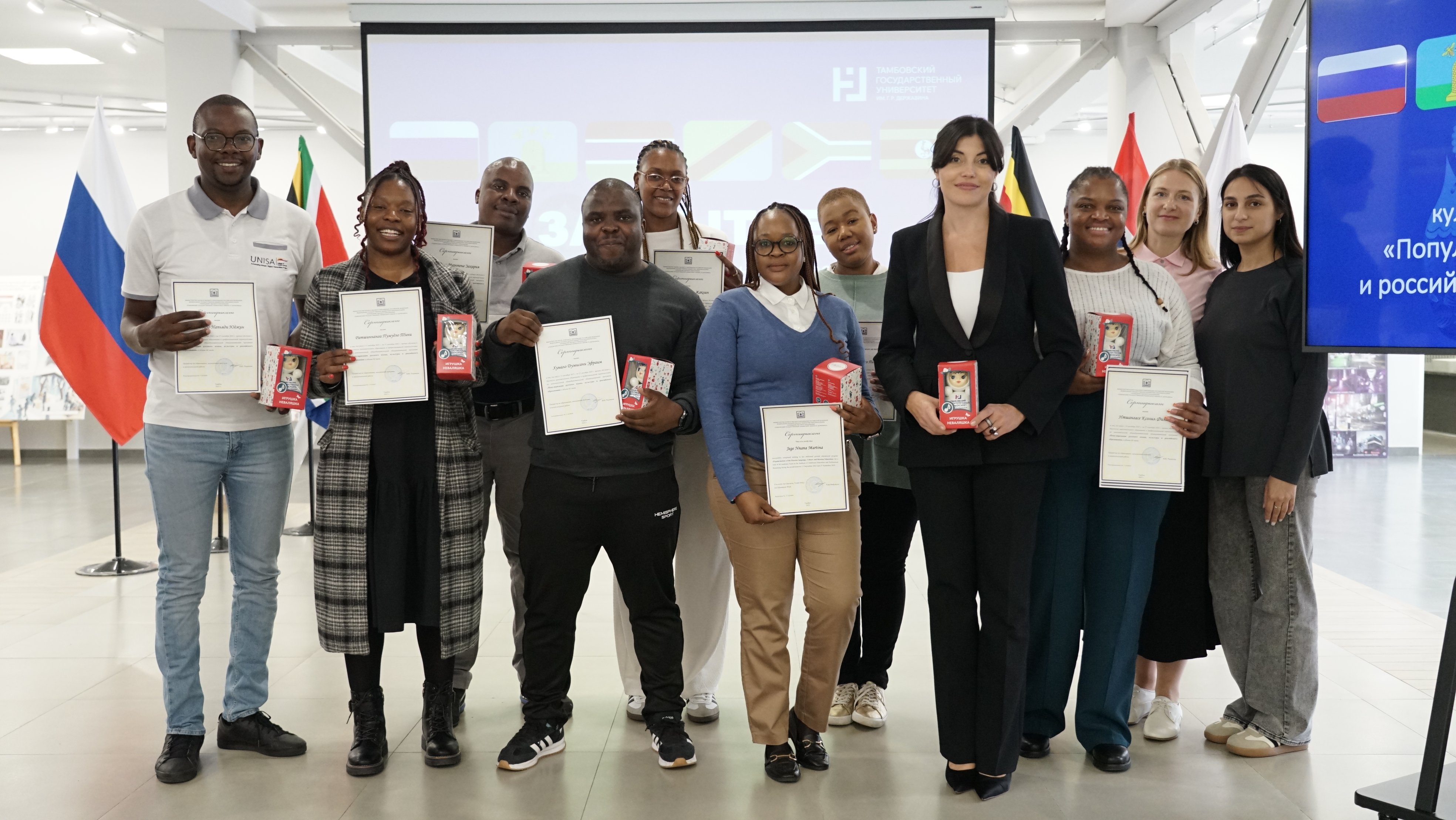
An additional general educational program, "Popularisation of Russian Language, Culture, and Russian Education in African Countries," concluded at Tambov State University named after G.R. Derzhavin. It was attended by delegations from South Africa, Tanzania, Gambia, and Uganda. From September 15 to 27, project participants completed an intensive Russian language course, visited Derzhavin University’s infrastructure facilities, and learned about the cultural heritage of the Tambov region, including the university museums, art gallery, the Rachmaninov Estate, the Aseyev Estate Museum, and many more.
"We were overwhelmed by the richness of Russian culture and how much they love and promote their language here. We were impressed by the fact that Derzhavin University supports and promotes art and culture, for example, through the university museums." We would very much like to adopt this experience and create something similar at our university to actively introduce students to African culture. We not only studied Russian but also learned about the lives and works of famous figures, such as Pushkin. It was fascinating to learn a wealth of historical information about famous places and people. The trip to Ivanovka, to Rachmaninov's estate, was especially memorable," says Ntshangase Xolile Filile, a program participant and English teacher at the Tshwane University of Technology (Pretoria, South Africa). "We plan to use the knowledge and experience gained to expand our educational program and include Russian language studies."
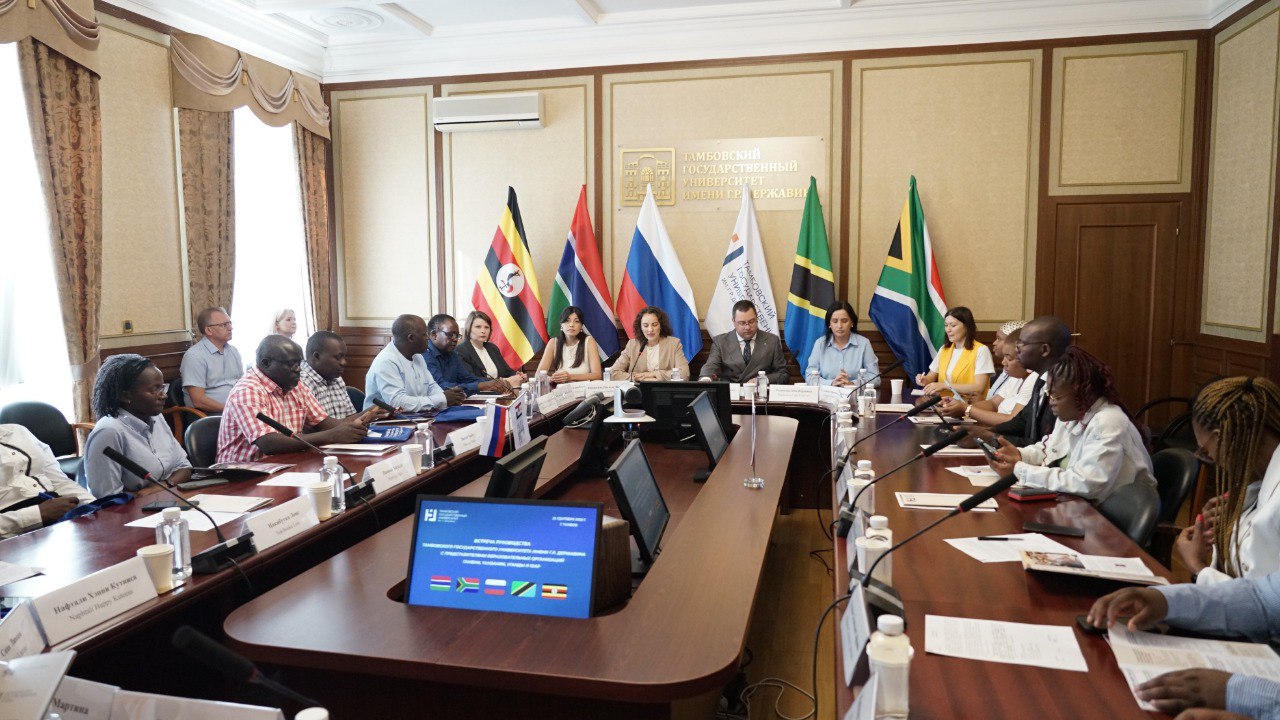
Derzhavin University Rector Pavel Moiseev met with delegations from African countries and discussed the implementation of joint scientific, educational, and cultural projects.
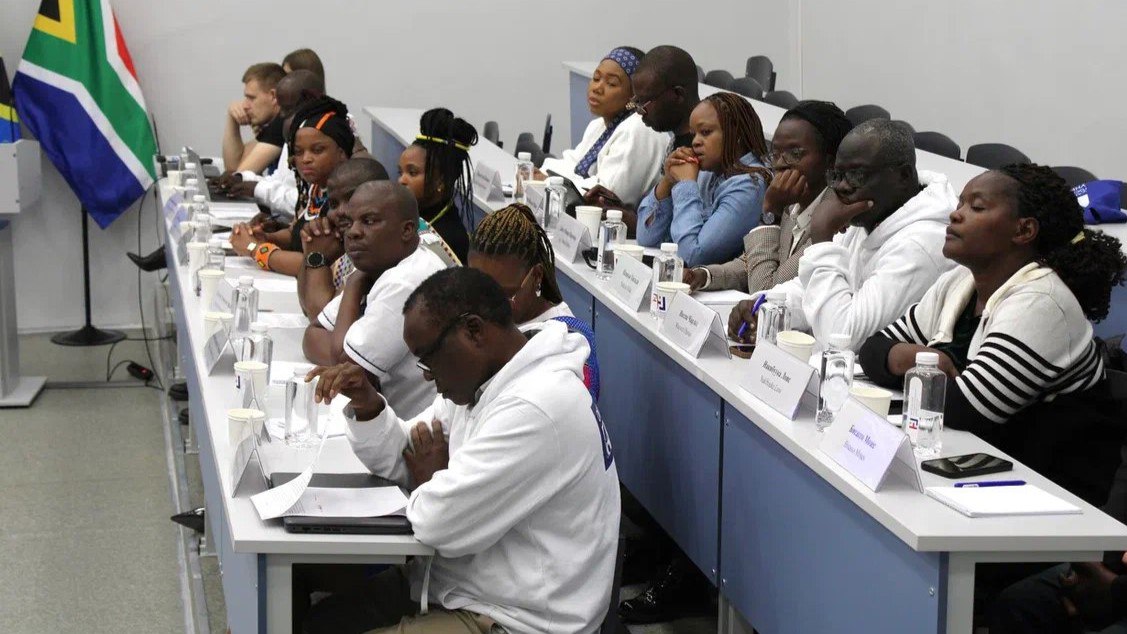
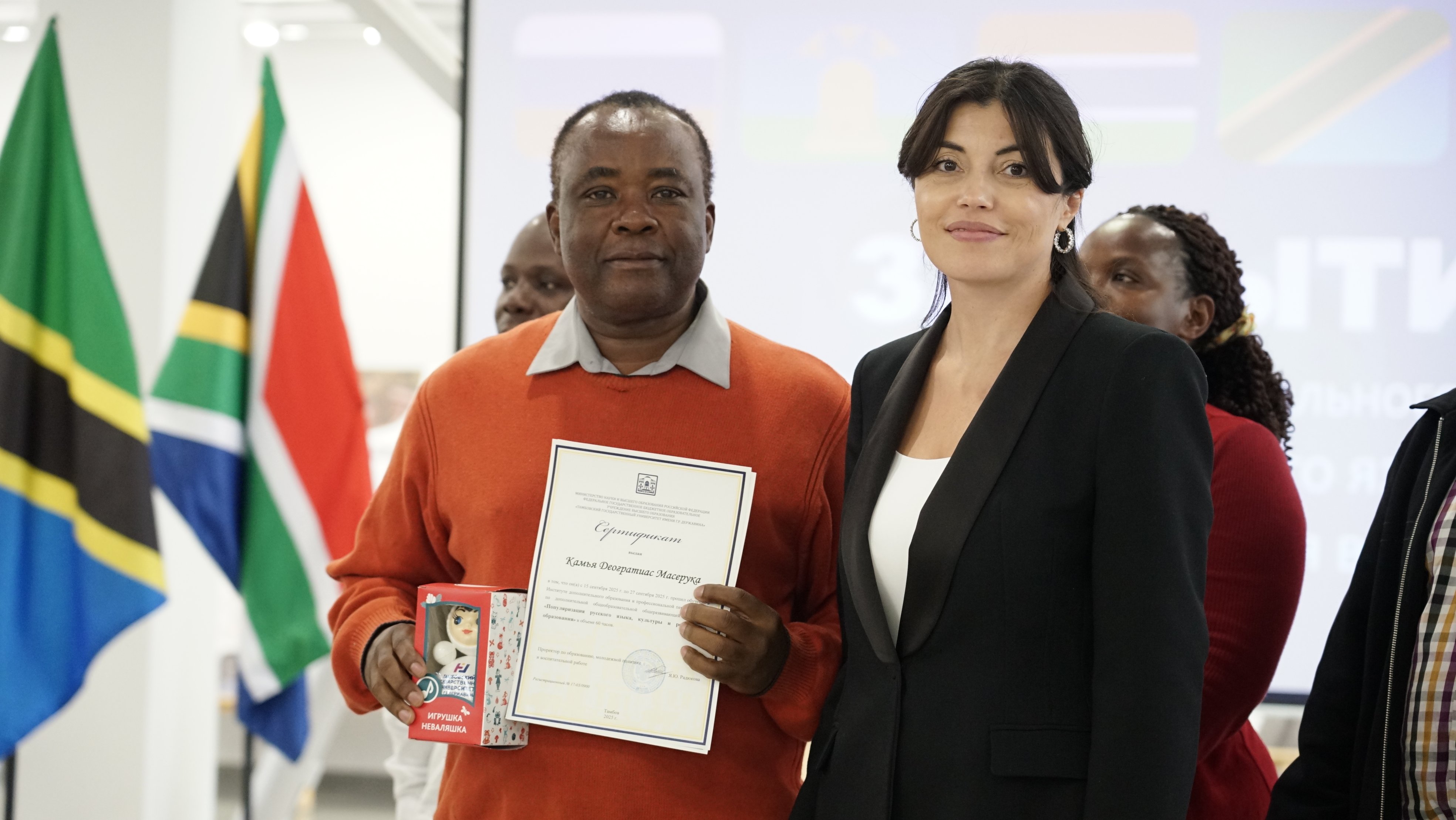
A seminar entitled "Education Systems in African Countries: Current Status and Development Prospects" was held for all attendees, where they studied the educational systems of African countries and outlined effective strategies for future collaboration. The project concluded with a closing ceremony and the presentation of certificates to all participants.
The project is supported by the Ministry of Science and Higher Education of the Russian Federation and operated by the D. I. Mendeleyev University of Chemical Technology of Russia.