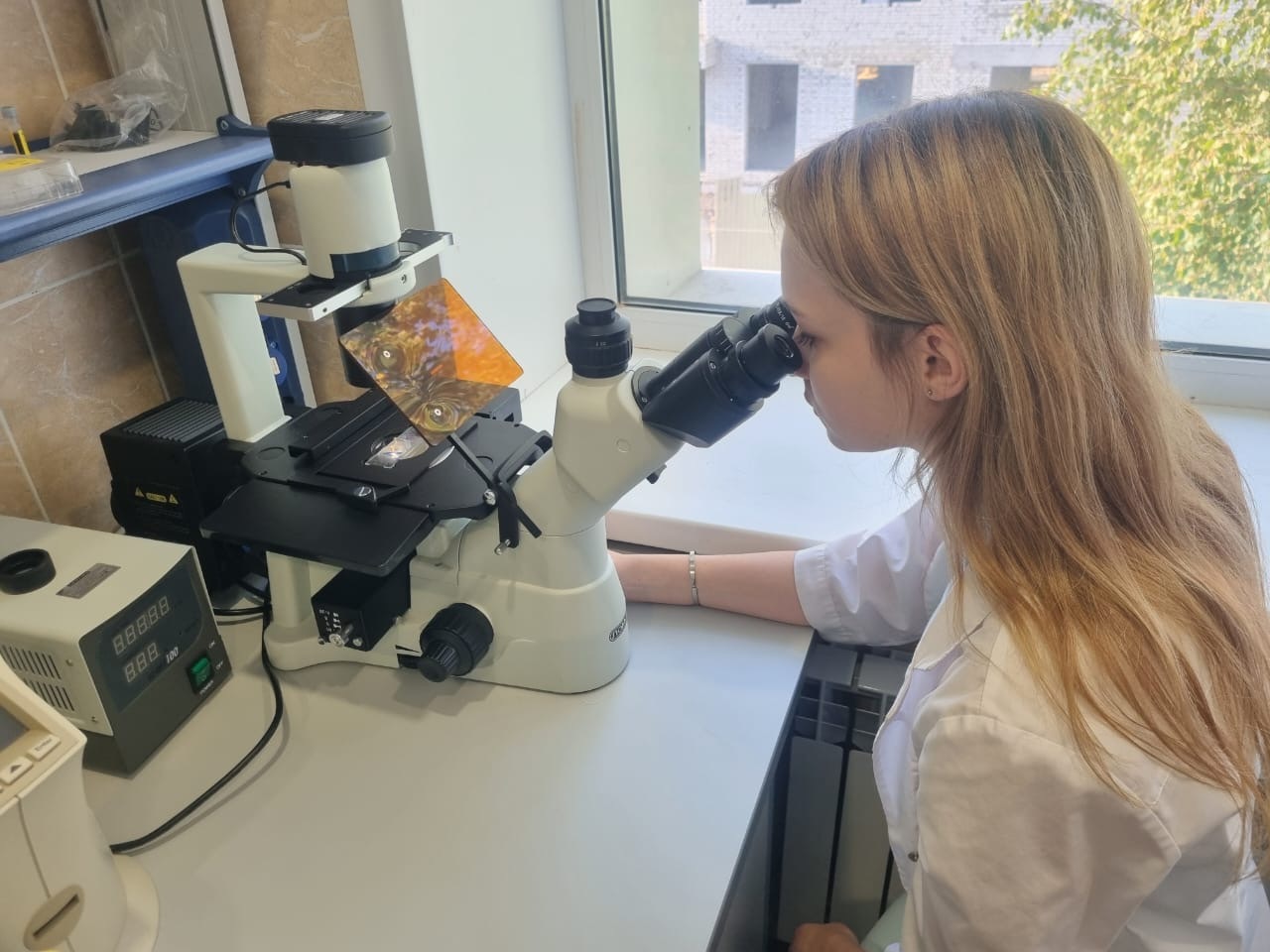
Scientists from Derzhavin Tambov State University studied the role of copper oxide (CuO) nanoparticles in changing the toxicity of cadmium and lead salts, as well as the accumulation of these elements by microalgae of the genus Desmodesmus. For this, microalgae cells were cultivated for 14 days in the presence of toxic metal compounds, as well as copper oxide nanoparticles. In this case, the number of surviving cells and their condition, as well as the content of cadmium and lead in them, were assessed.
According to Derzhavin University scientists, the removal of pollutants from the aquatic environment is a pressing problem all over the world. At the same time, microscopic algae are actively used as a biological sorbent for such pollutants, since their cells are capable of accumulating various toxic elements, such as cadmium and lead. However, the potential for increasing the efficiency of this approach is far from exhausted.
– It turned out that the nanoparticles themselves in the studied concentrations are practically harmless to algae, and when used together with toxic compounds, they soften their negative impact, – says one of the authors of the work, a member of the team of young scientists, junior researcher Svetlana Chebotareva. – The protective effect of nanoparticles was observed at the level of cell survival, the state of the antioxidant and photosynthetic systems. But the most interesting thing is that the accumulation of cadmium in the cells of microalgae in the presence of nanoparticles increased fourfold, and lead – sixfold. This opens up opportunities for creating a technology for highly effective biopurification of water from heavy metals using microalgae of the genus Desmodesmus.
The results of the research are published in the peer reviewed International Journal of Molecular Sciences. The research was carried out within the framework of the project designed to create a youth laboratory (project No. 1023110200100-7-4.4.1) under the national project "Science and Universities".