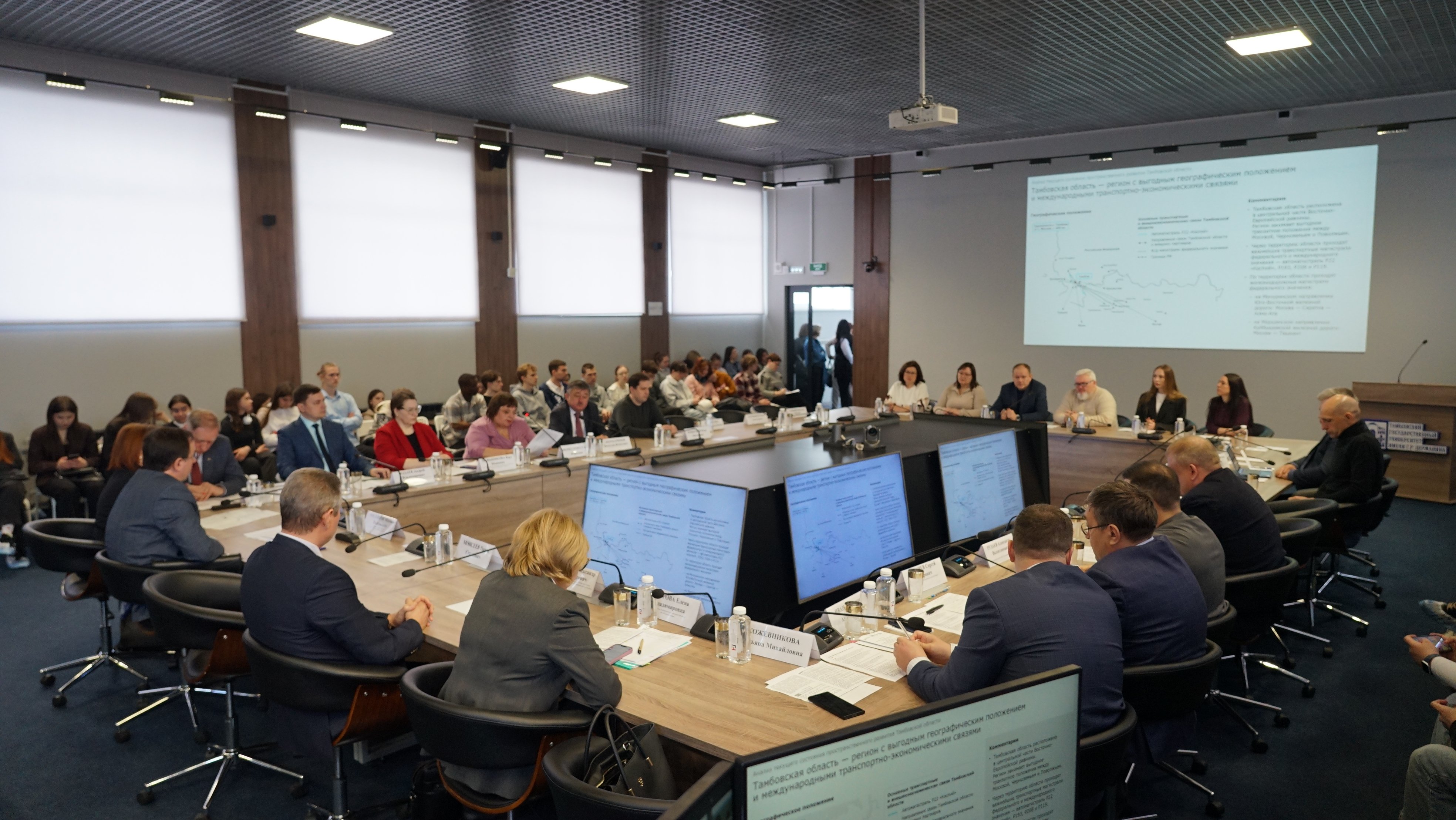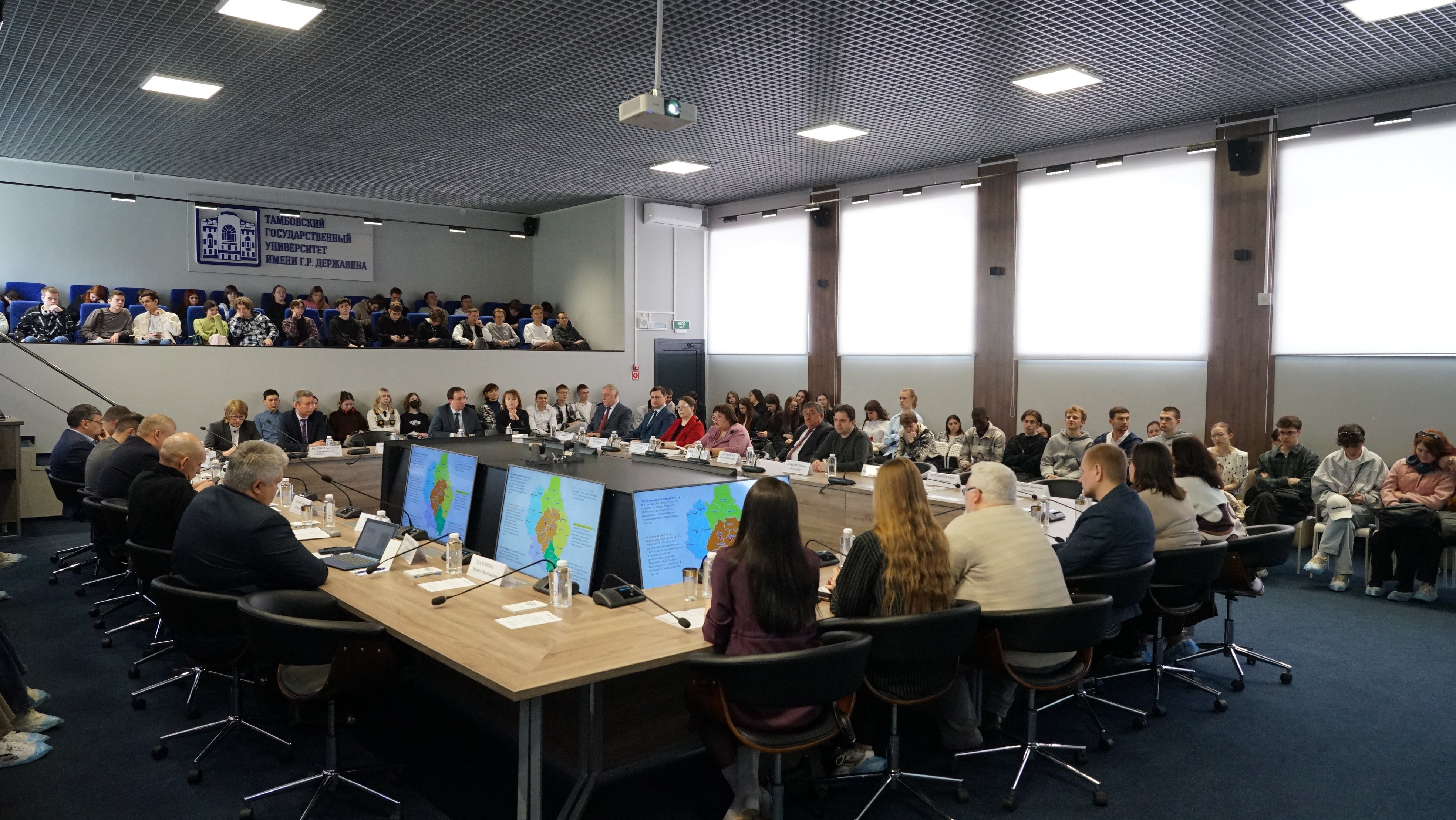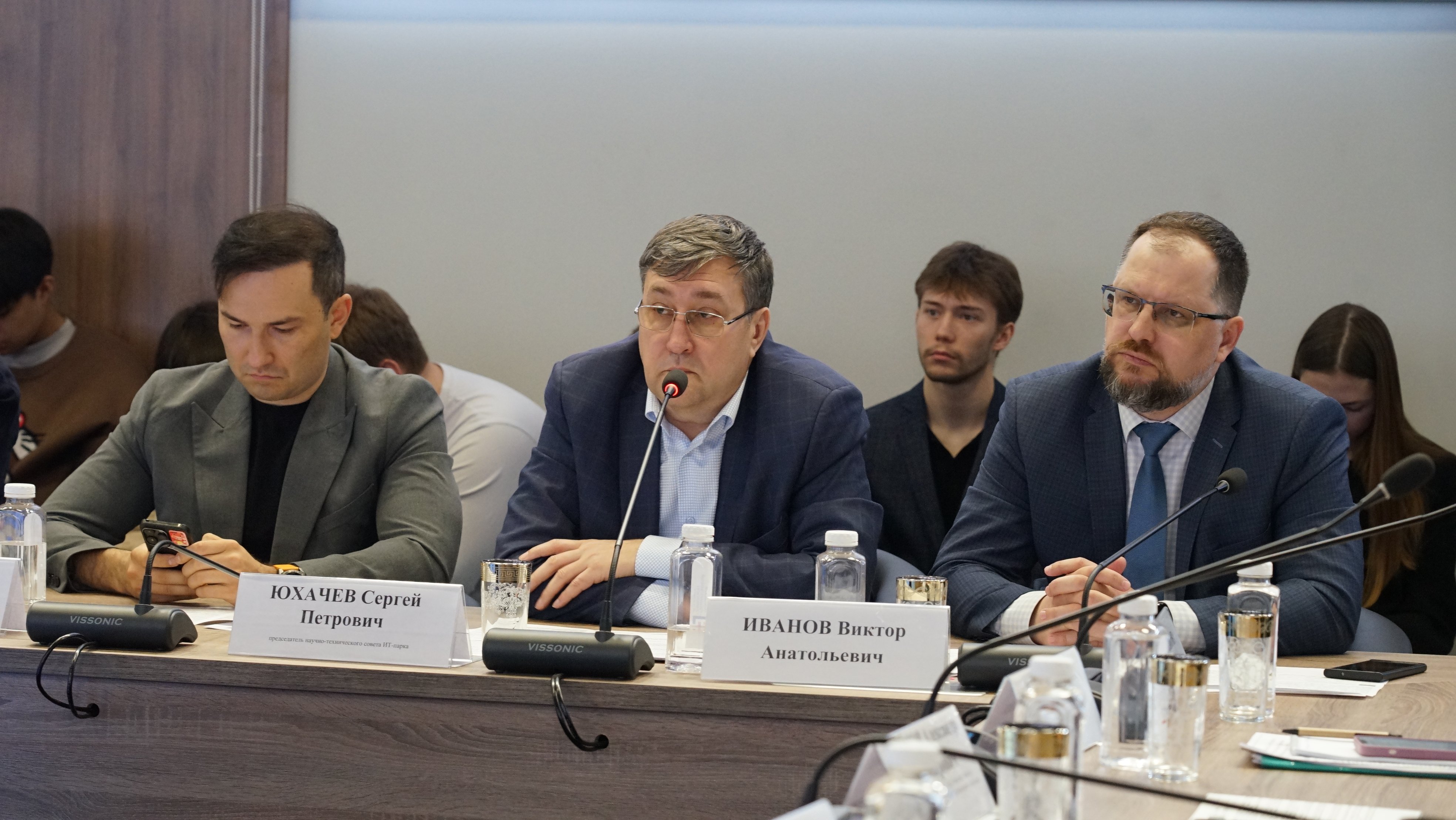
Derzhavin University hosted the All-Russian scientific and practical conference with international participation, "Priorities of Agrarian and Economic Development in the Context of Russia's Technological Sovereignty." The meeting took place ahead of the VIII Moscow Academic Economic Forum.
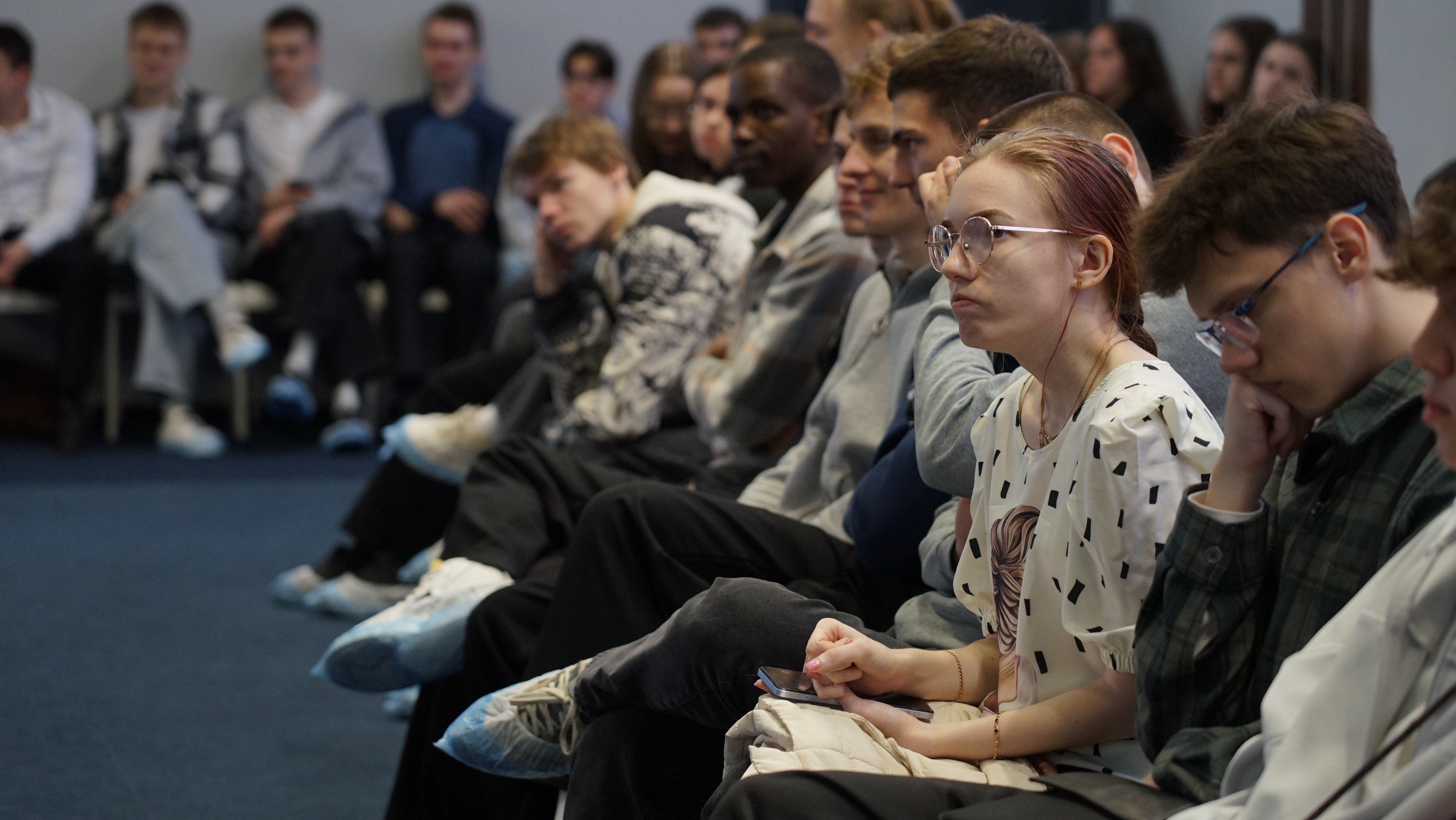
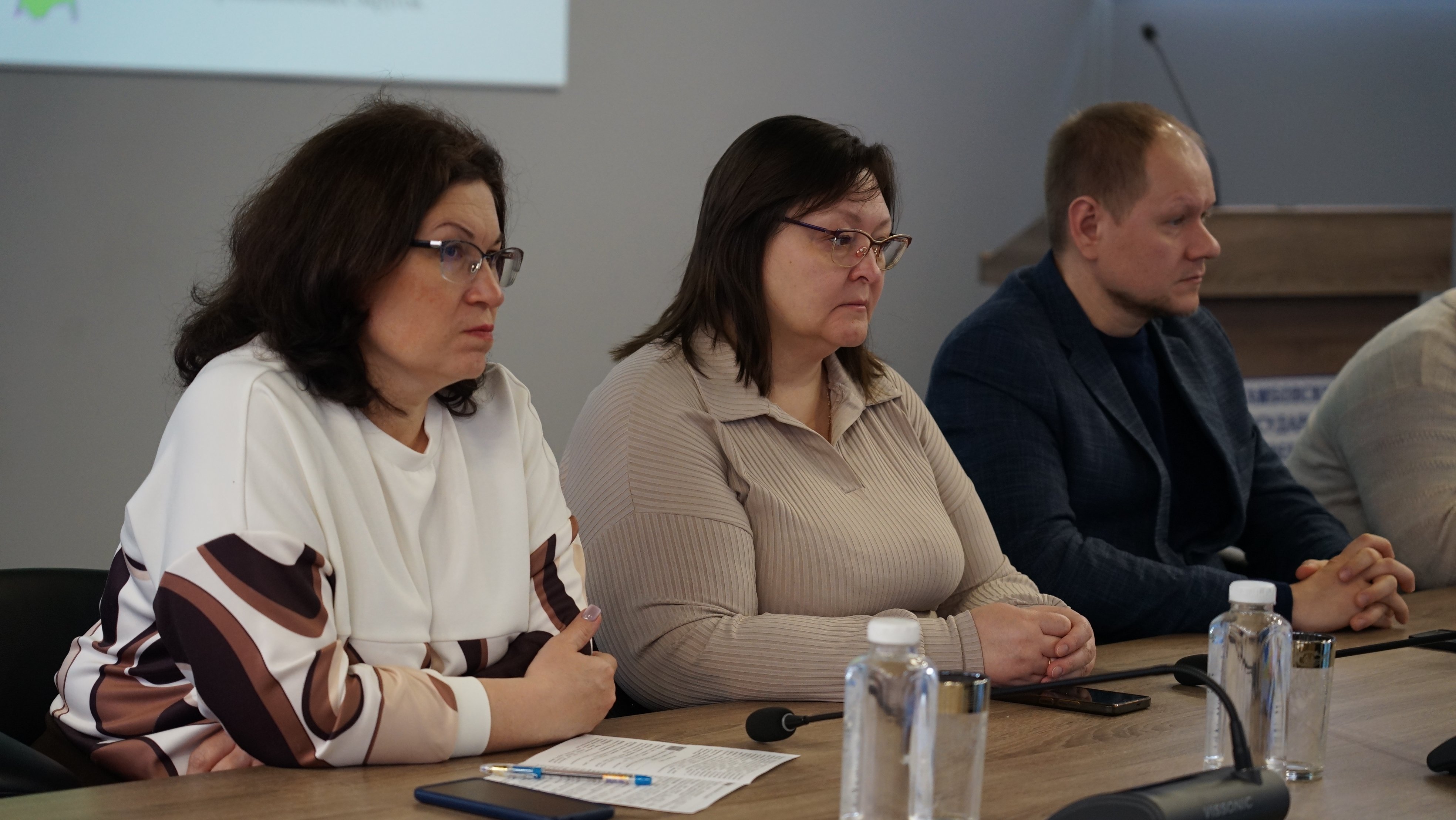
Participants in the discussion platform included academics from Russian universities, economists, researchers specializing in regional agricultural development, representatives of government agencies, banking institutions, regional business circles, public organizations, and students from Derzhavin University.
The conference outlined the priorities of agrarian and economic development in the context of Russia's technological sovereignty.
Representatives of leading research schools from universities, including those from friendly countries, joined the conference via teleconference: Belarusian State University, Polotsk State University named after Euphrosyne of Polotsk, and Yanka Kupala State University of Grodno (Republic of Belarus); and the Samarkand Institute of Economics and Service (Republic of Uzbekistan).
Conference participants were welcomed by Pavel Moiseev, Rector of Derzhavin University, and Alexander Aksyonov, Deputy Minister of Agriculture of the Tambov Region and Head of the Department for Development of Agro-Industrial Sectors.
"Today, in the context of unprecedented sanctions pressure, in order to develop a trajectory for dynamic, balanced agrarian and economic development in the country's regions, it is important to identify priorities that ensure its technological sovereignty. We need to update and modernize the agricultural production sector, reindustrialize the economy, digitalize, and actively use artificial intelligence," said the Acting Minister. Viktor Ivanov, Dean of the Faculty of Information Technology and Economics at Derzhavin University, PhD in Economics, Associate Professor, and conference moderator, presented a report titled "Structural Transformation of the Economic Sector to Achieve Technological Sovereignty of the Country" at the plenary session. Yulia Vertakova, Doctor of Economics and Professor at the Russian State Humanitarian University (Moscow), examined the dynamics and determinants of territorial spatial development using the example of regions in the Central Federal District, analyzed their strategic maturity, and identified future priorities for technological sovereignty.
Elena Merkulova, Doctor of Economics and Professor at the Institute of Economics, Information Technology, and Creative Industries at Derzhavin University, presented a report titled "The Challenge of Sustainable Development of Rural Areas in the Region." In her presentation, Merkulova noted the role of the Tambov Region as one of the country's key agricultural donors. At the same time, she identified factors constraining the region's socioeconomic development, including an aging population, a declining workforce, the exodus of young people to urban areas, and others.
"Currently, according to the Spatial Development Strategy of the Tambov Region, 22 key settlements have been established in the region. Despite all the changes currently taking place, the demographic problem remains unresolved. Therefore, territorial consolidation is inevitable in the future," says Elena Merkulova. "One option for the economic development of territories is the formation of functional specializations. Certainly, the central zone of the Tambov Region is the most economically developed. Large agro-industrial production facilities are concentrated in the southern and southeastern zones. A scientific and industrial cluster is developing in the northwestern part around Michurinsk and the Michurinsky Municipal District. The development of these territories is associated with horticulture and fruit and vegetable processing. A 'green cluster' is emerging in the northeastern part of the region. Thus, the adjacent territories offer opportunities for further development in hospitality, tourism, and creative industries. Such specialization and territorial consolidation will ultimately contribute more effectively to the development of the Tambov Region.
During the conference, Alexander Ruzaev, General Director of Agrodinamika LLC (Tambov), spoke on the topical application of unmanned technologies in the Tambov Region's agricultural sector. He described the specifics of autopilots and agrodrones, which are distinguished by their reliability and innovative solutions, and expressed his opinion on the effective use of educational technologies to train agrodrone operators for the region's agricultural sector. The company's director invited students to participate in the Agrodinamika Academy project and become specialists in unmanned systems in agribusiness.
The wide audience reach ensured a multi-stage discussion, engaging experts and specialists from Russian regions and abroad, and accumulating balanced ideas and proposals on issues of agricultural and economic development in the context of the region.