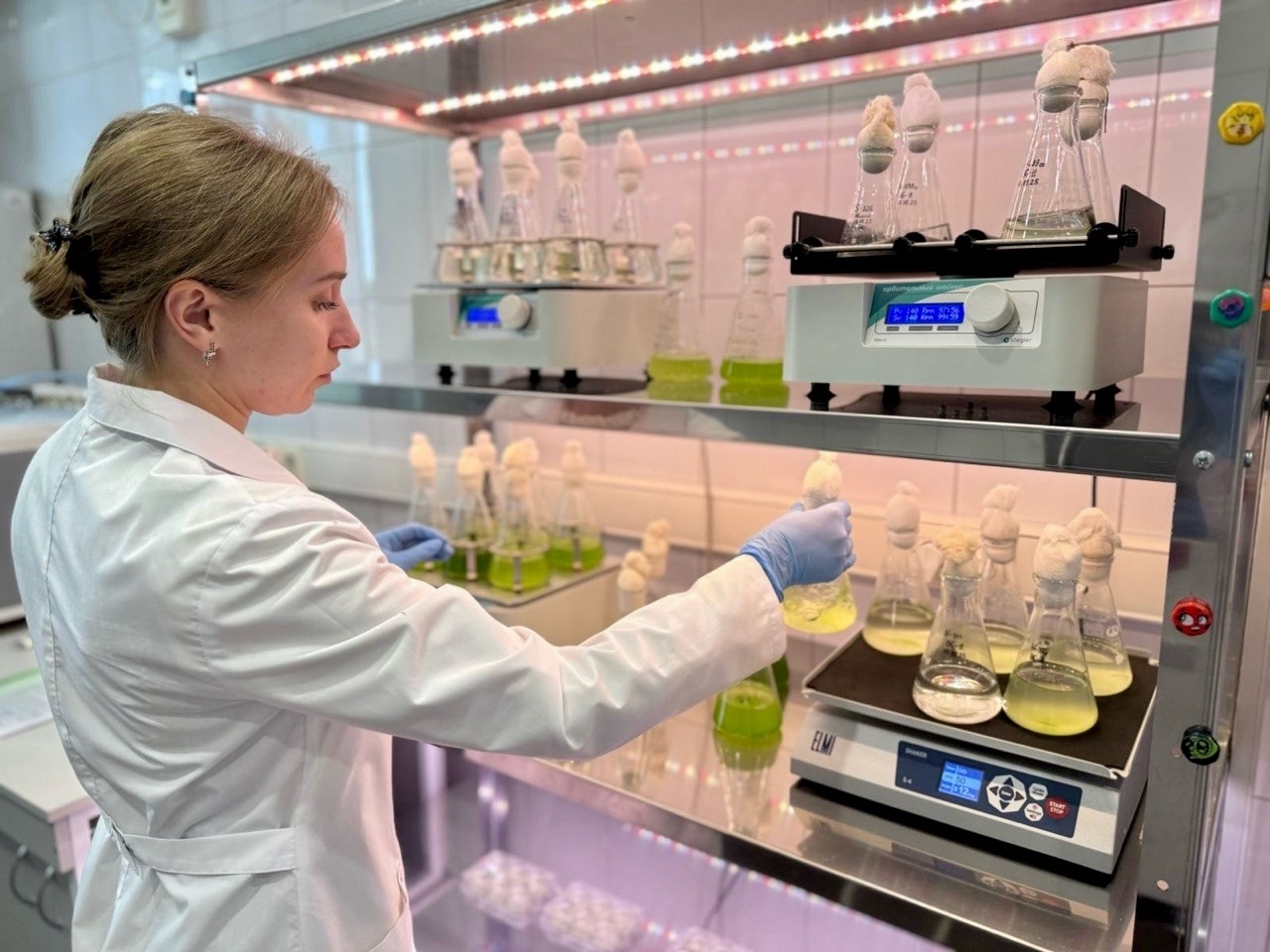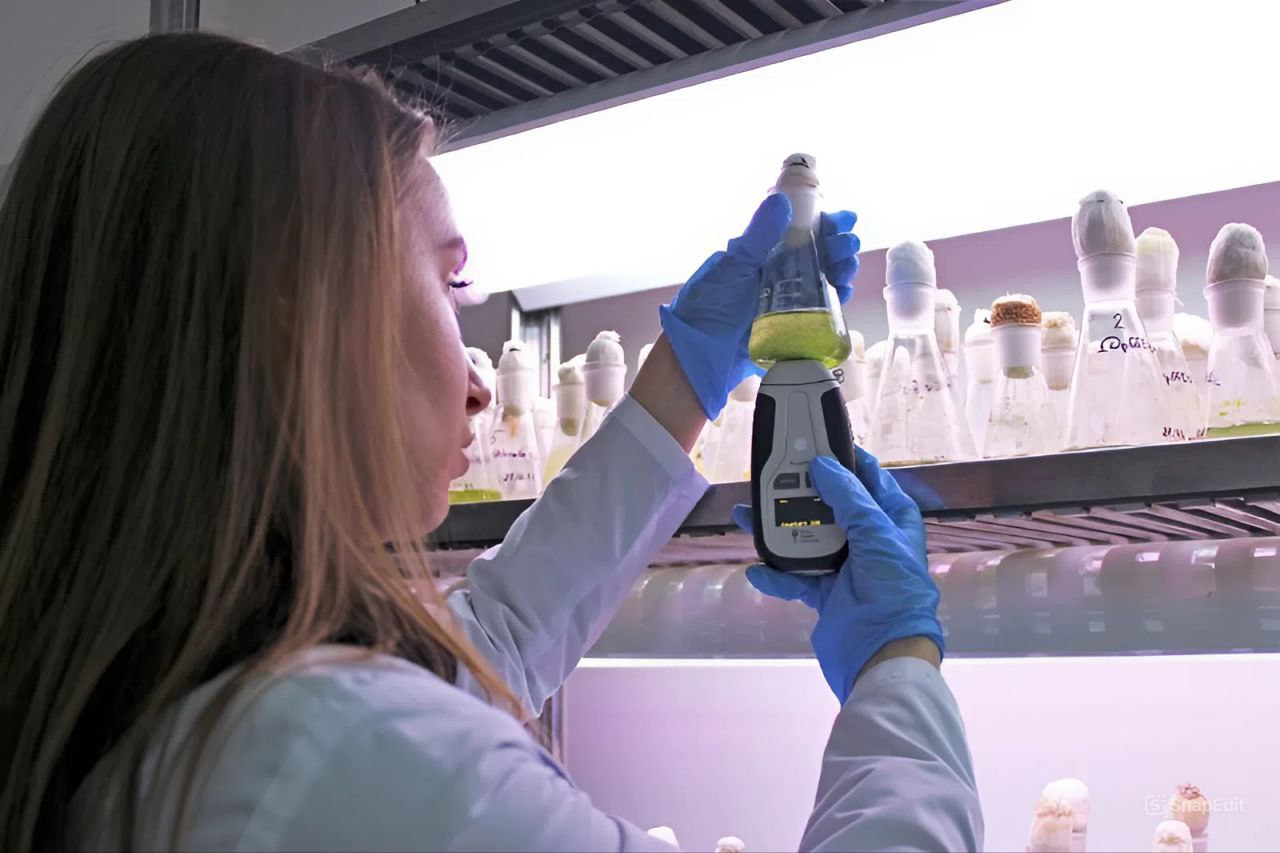
Researchers from the Algae Biotechnology Youth Laboratory at the Derzhavin TSU have discovered an unexpected effect of zinc oxide (ZnO) nanoparticles on freshwater microalgae. It turns out that in low concentrations, they are not only safe but can also offset the harmful effects of water salinity, acting as a stress "protector." However, at high concentrations, the same particles exhibit toxicity. This opens new prospects for the safe use of zinc oxide nanoparticles in biotechnology. The study, supported by the Youth Laboratories program of the Ministry of Science and Higher Education of the Russian Federation, was published in the high-ranking scientific journal, International Journal of Molecular Sciences.
Zinc oxide nanoparticles are one of the most widely produced nanomaterials in the world. They are used in sunscreens, electronics, paints, and fertilizers, which inevitably leads to their release into the environment, including water bodies. At the same time, freshwater bodies around the world suffer from salinization due to human activities (wastewater discharge, usage of chemicals in winter, agricultural waste). Previously, scientists studied how these two factors—nanoparticles and salinity—combine to affect marine organisms, but their impact on freshwater ecosystems remained largely unexplored.
Scientists from Tomsk State University studied the effect of zinc oxide nanoparticles of different sizes on the freshwater microalga Lobosphaera at different water salinities. It turned out that a low concentration of nanoparticles not only did not harm the algae but actually stimulated their growth by 19%. Moreover, at this dose, the nanoparticles completely neutralized the negative effects of salt stress caused by the addition of salt. The algae's photosynthetic activity increased and their antioxidant system was activated, which helped them cope with stress.
However, high concentrations of nanoparticles inhibited algae growth, destroyed chlorophyll, reduced photosynthesis efficiency, and caused oxidative stress. Interestingly, the presence of salt in the medium had almost no effect on the toxic effect. Previously, it was believed that the main cause of zinc oxide nanoparticle toxicity was the release of zinc ions (Zn²⁺), an excess of which is toxic to cells. However, this study refutes this theory.
"We measured the concentration of zinc ions in the solution and found that it was extremely low and virtually the same for all experimental conditions," explains Alexander Gusev, scientific director of the youth laboratory. "However, the toxic effect increased strictly in relation to the concentration of the particles themselves. Our data indicate that the primary mechanism of toxicity is the direct interaction of the nanoparticles with the cell surface, rather than dissolved zinc ions." This is fundamentally important for understanding the ecotoxicity profile of these particles.
This hypothesis was confirmed by electron micrographs showing nanoparticle accumulation on the surface of algal cells, as well as by direct counting of cells with oxidative stress.
The discovery of the multidirectional effect of zinc oxide nanoparticles opens up new possibilities for biotechnology. Ultra-low, "stimulating" doses of ZnO nanoparticles can be used to increase the resistance of beneficial microalgae to stressful conditions in bioreactors, for example, during cultivation for the production of biofuels, feed additives, or biologically active substances. If this effect is confirmed for plants, low-concentration nanoparticles could potentially form the basis for new formulations that help agricultural crops tolerate soil salinity. The results of this study are also important for accurately assessing the environmental risks of nanomaterials and developing new standards for their safe use in the environment.
"Our work is an example of how fundamental research can lead to practically significant conclusions," notes Alexander Gusev. “We not only better understand how nanomaterials interact with living systems, but we also see the potential to manipulate their properties for the benefit of humans.