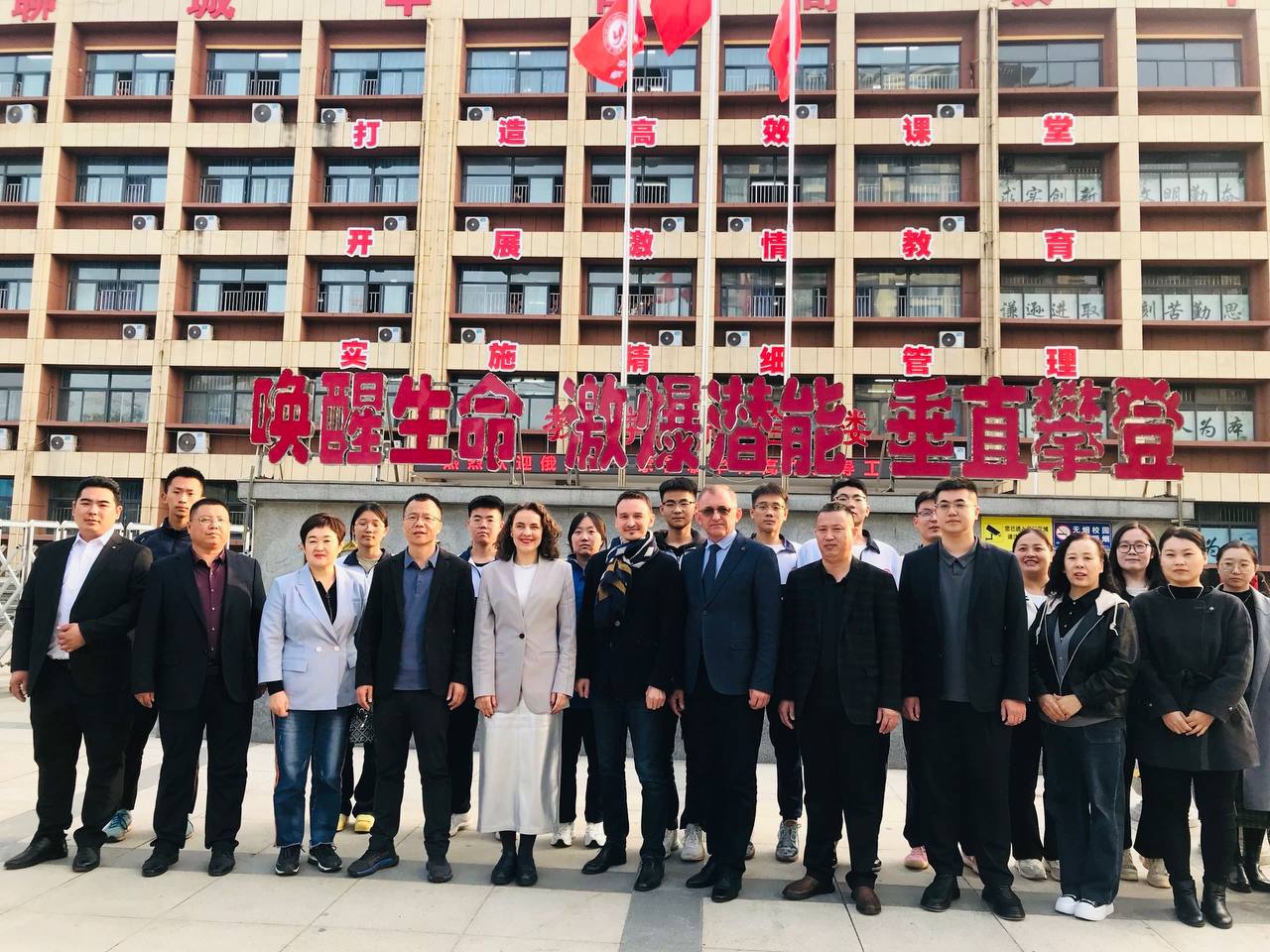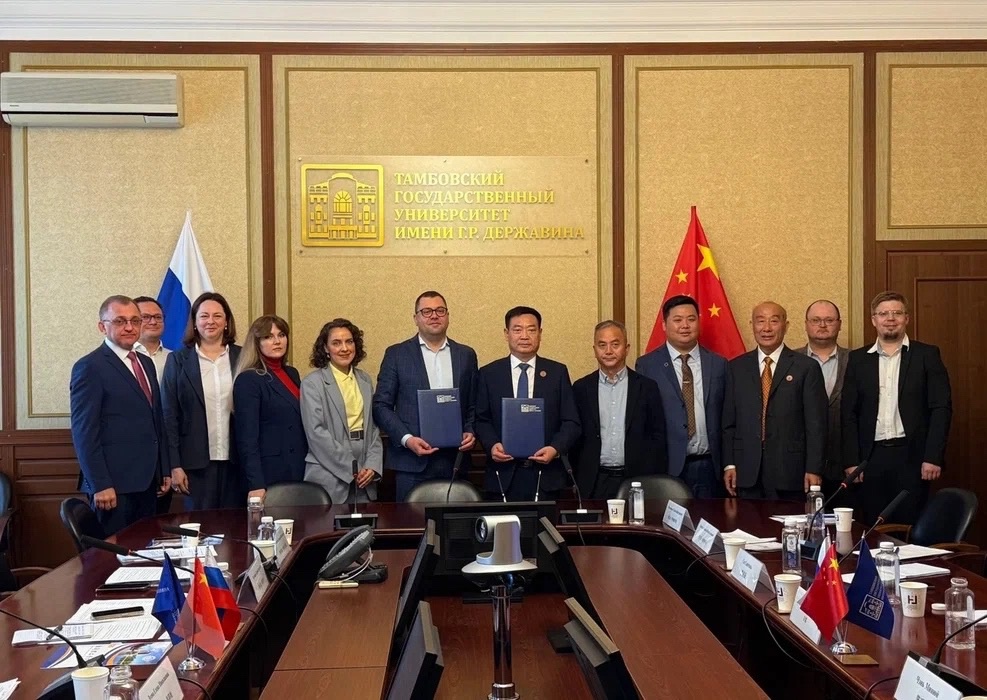
The visit of the Minister of Science and Higher Education of the Russian Federation Valery Falkov to China has ended. The working trip allowed him to get acquainted with the advanced scientific research infrastructure of the PRC and discuss the development of closer partnership in the field of higher education.
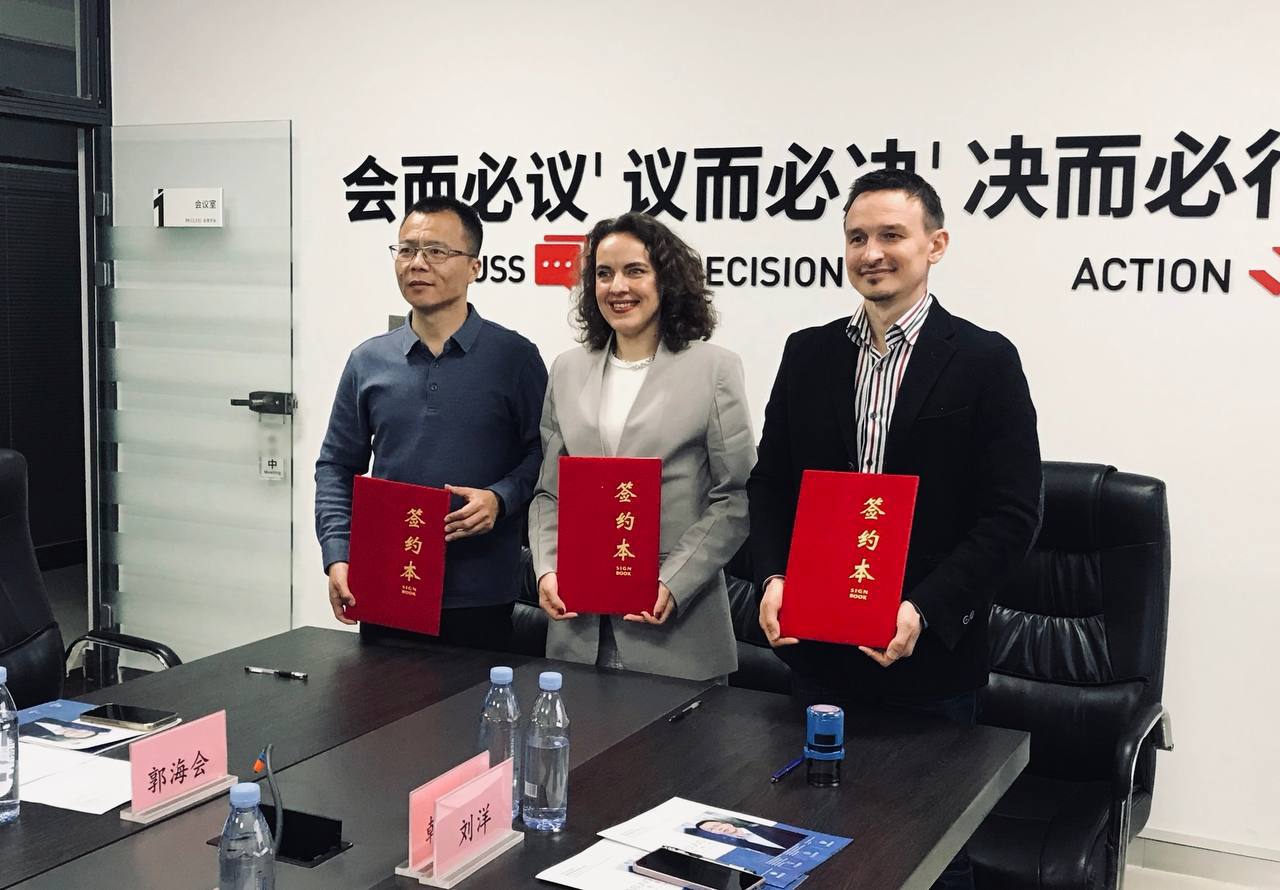
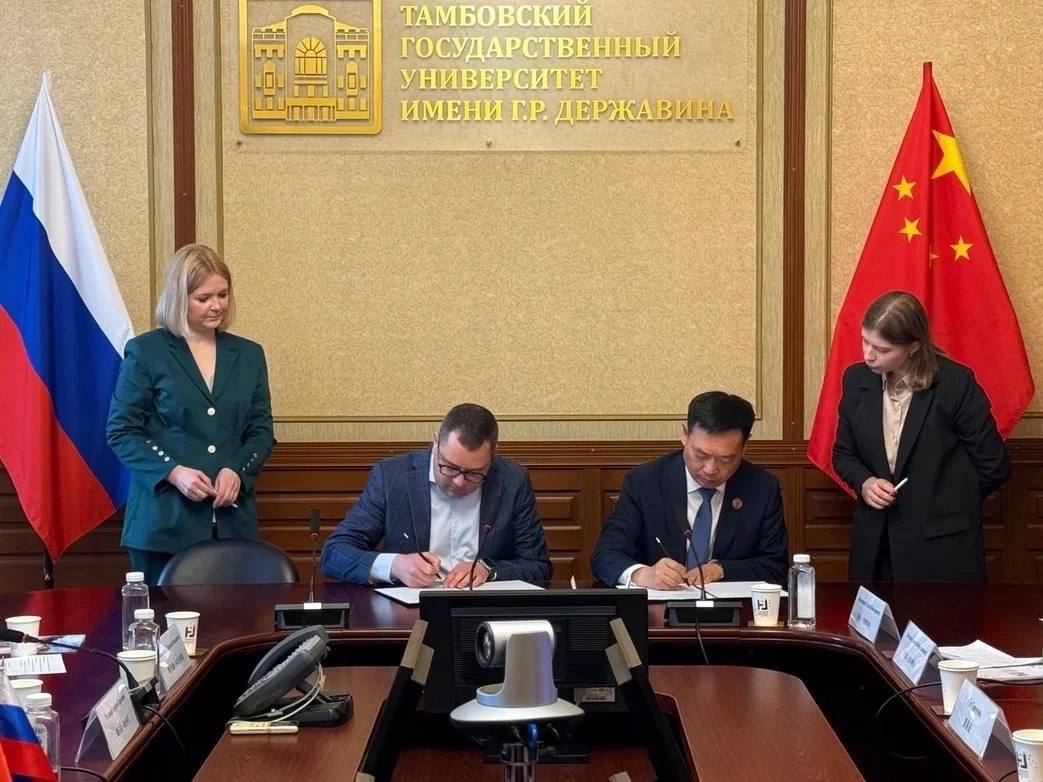
Derzhavin University has been actively cooperating with Chinese universities in the field of science and education for about two and a half decades. In 2000, a Memorandum of Cooperation was signed with Qingdao University. Currently, Derzhavin University has 33 active cooperation agreements with various organizations in the PRC. The university has 59 students from China studying in various areas and levels of education. About 100 Chinese citizens have graduated from Derzhavin University and are successfully working in China.
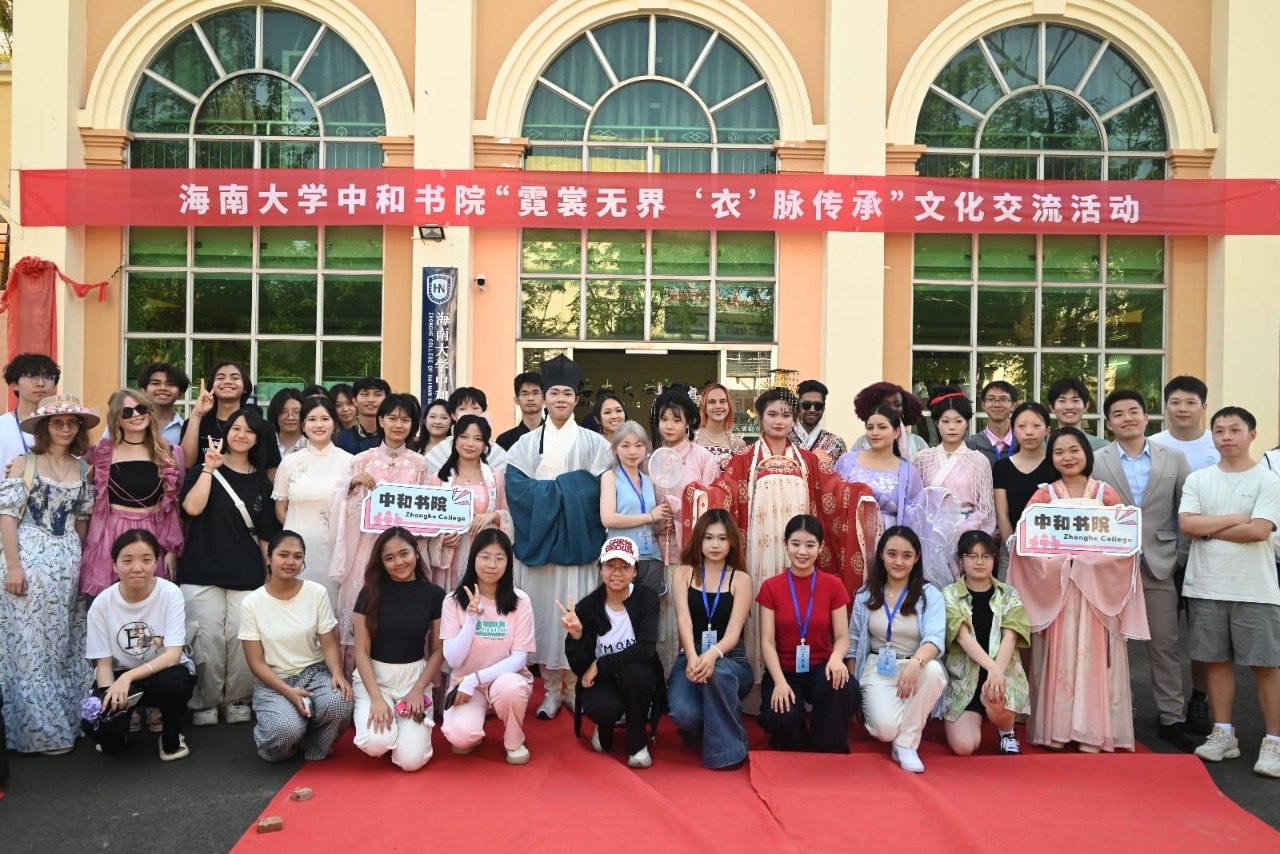
In accordance with the agreements with partner universities, TSU professors have been teaching Russian as a foreign language as visiting professors at a number of Chinese universities for 10 years. Over this period, Derzhavin specialists have been invited by the Binhai Institute of Foreign Affairs of the Tianjin University of Foreign Studies, Hainan University, Central China Normal University, and Hainan Vocational and Technical Institute of Economics and Trade.
At the invitation of Derzhavin University, professors from the Binhai Institute of Foreign Affairs of the Tianjin University of Foreign Studies teach Chinese to TSU students.
Based on signed contracts and agreements, academic exchange programs for students are being implemented with Hainan University, Anshan Normal University, Binhai Institute of Foreign Affairs at the Tianjin University of Foreign Studies, and Nantong Institute of Technology.
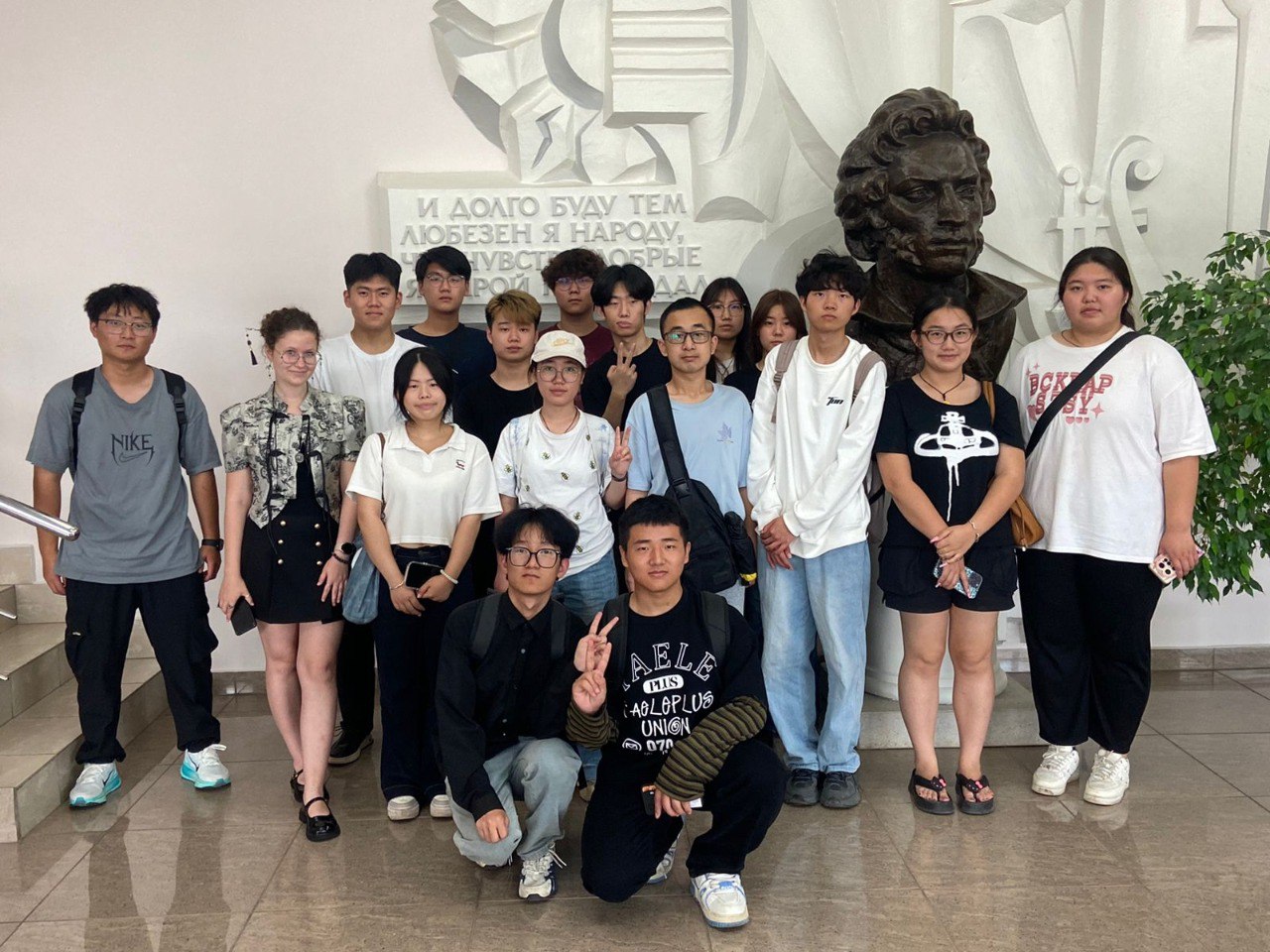
Chinese students come to Derzhavin University to study Russian, and TSU students go on semester or two-semester internships to study the Chinese language and culture.
Since 2016, a dual degree program in Philology (Russian Language and Intercultural Communication) has been implemented jointly with the Binhai Institute of Foreign Affairs at Tianjin Foreign Studies University. Students study Russian for two years at a Chinese university and for two years at TSU. Upon completion of their studies, graduates receive two diplomas: Chinese and Russian.
The university also offers a bachelor's degree program in Philology, with a major in Foreign Philology (English and Chinese). In addition, the University offers Chinese language courses for students of various specialties.
Since 2023, a joint program for training tourism specialists with knowledge of the Russian language, Language and Intercultural Communication in Tourism, has been implemented with the Hainan Vocational and Technical Institute of Economics and Trade.
Every year, Derzhavin University students take part in the Summer School organized by East China Normal University. Chinese students from partner universities come as participants in Summer Schools held at TSU.
This year, recruitment is underway for the bachelor's degree program in Management, specially designed for students from China.
In October last year, the project "China Week in Tambov - 2024" was implemented at Derzhavin University, which included round tables, lectures, and cultural events. Representatives of the Central Board of the Russian-Chinese Friendship Society, the Union of Regional Employers' Associations, and a delegation of Chinese industrial circles took part in the Week. Rector of Derzhavin University Pavel Moiseev heads the Tambov Regional Branch of the Russian-Chinese Friendship Society. In 2024, Derzhavin University was accepted into the Alliance of Chinese-Russian Universities for Language Education, which was established in May 2024 on the initiative of Heilongjiang University (PRC) and Moscow State Linguistic University, the purpose of which is to create a platform for Chinese-Russian cooperation in the field of linguistics, deepening language education and humanitarian exchanges. Derzhavin University plans to further actively expand interaction with Chinese universities, open up new prospects for students and teachers in the field of education and research.