On the eve of Russian Prime Minister Mikhail Mishustin's state visit to the Federal Republic of Brazil, several Russian university rectors signed agreements on various forms of cooperation with their Brazilian partners at the 13th meeting of the Russian-Brazilian Working Group on Educational, Scientific, and Technical Cooperation in Rio de Janeiro. Rectors of Russian and Brazilian universities were invited to participate in the event, where they reached practical agreements.
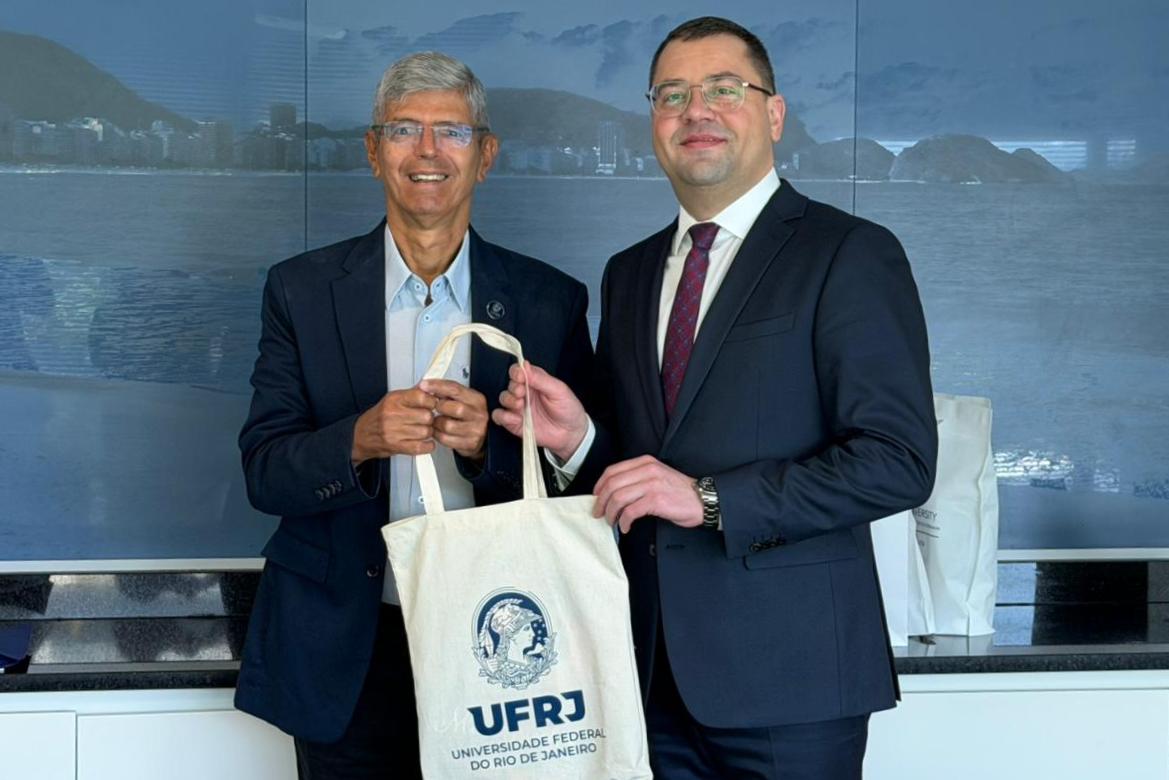
Derzhavin University Rector Pavel Moiseev signed an agreement on technological and scientific cooperation and academic exchange with the Federal University of Rio de Janeiro.
"The goal of the agreement is to establish links of technological and scientific cooperation between the parties to stimulate joint activities in the fields of education, research, and knowledge dissemination," comments Rector Pavel Moiseev. "Academic exchanges and joint research projects lie ahead. With the support of the non-profit organization Creative Diplomacy and the Russian Presidential Grants Fund, we will launch this year with the humanitarian project "Hablemos con Rusia" ("Let's Talk about Russia") in the field of public diplomacy. We will also hold a summer school for young leaders of Latin American countries."
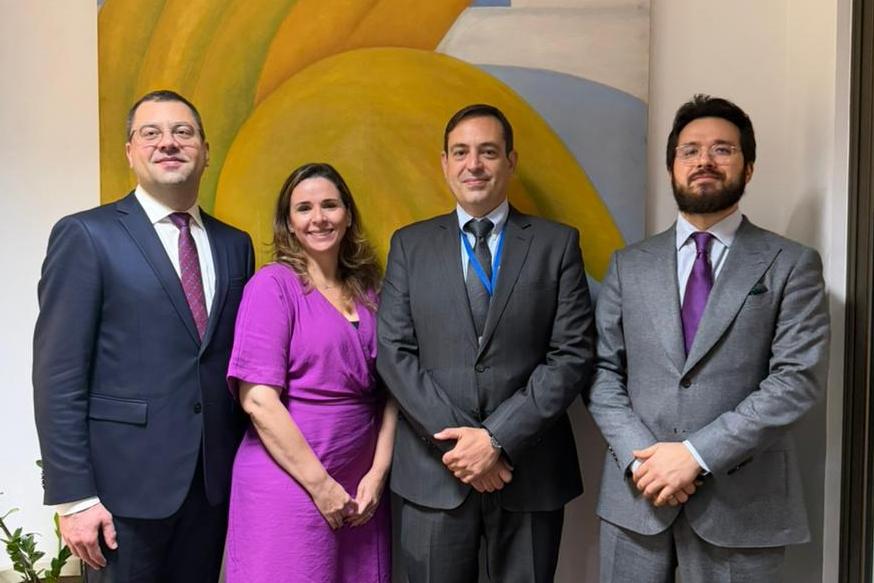
Following the signing of the agreement, Pavel Moiseev, along with the Russian Consul to Brazil, Alexander Korolev, visited the now partner Federal University of Rio de Janeiro, where they were received by Rector Professor Roberto Medronho. The reception was attended by Professor Andrea Belfort, Director General of the Department of International Relations; Guilherme Antunes, General Coordinator of the Department of International Relations; and Professor Fabio Krichtine, Special Coordinator for Relations with the Russian Federation.
- Tambov State University named after G.R. "Derzhavin and the Federal University of Rio de Janeiro are now bound by an agreement on technological and scientific cooperation and exchange," says Pavel Moiseev. "The Federal University of Rio de Janeiro is the oldest (founded in 1792) and largest (with approximately 70,000 students) public university in Brazil, the founder and modern flagship of the higher education system. The university includes centers, schools, and colleges dedicated to education and research. I've visited some of them. It was a wonderful experience. Our faculty, researchers, graduate students, and undergraduates definitely have many opportunities to collaborate with in Brazil."