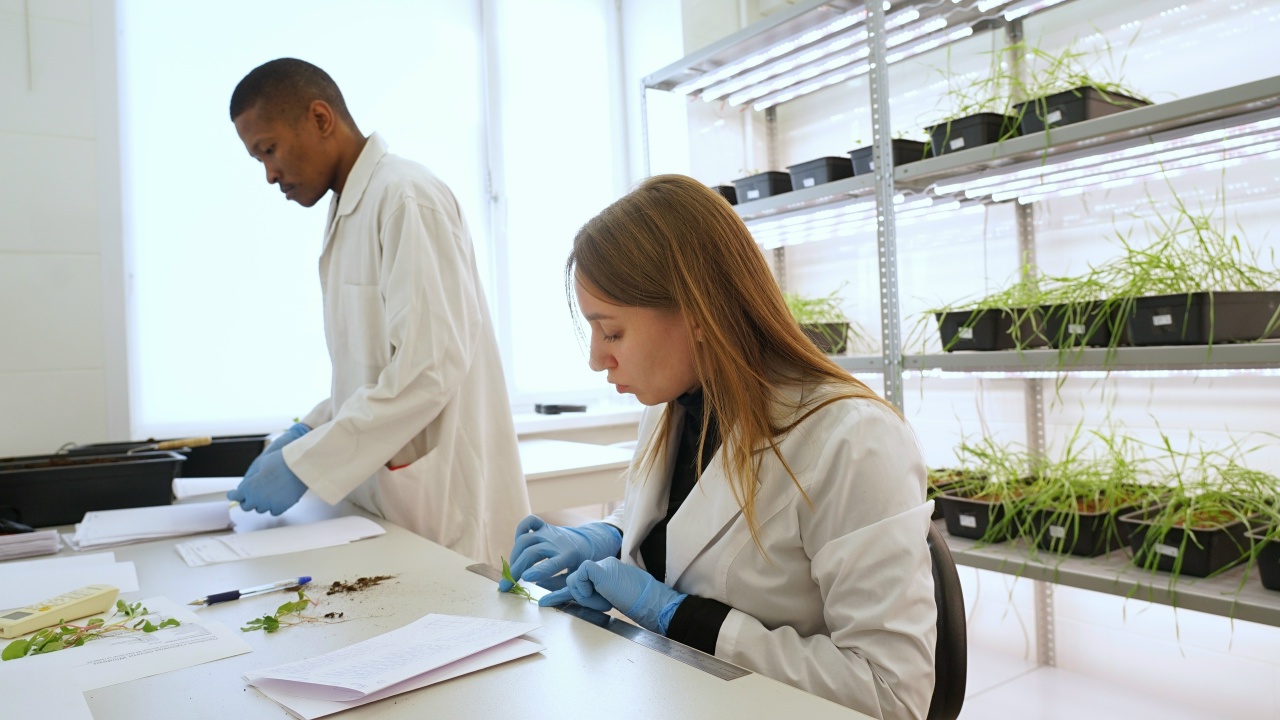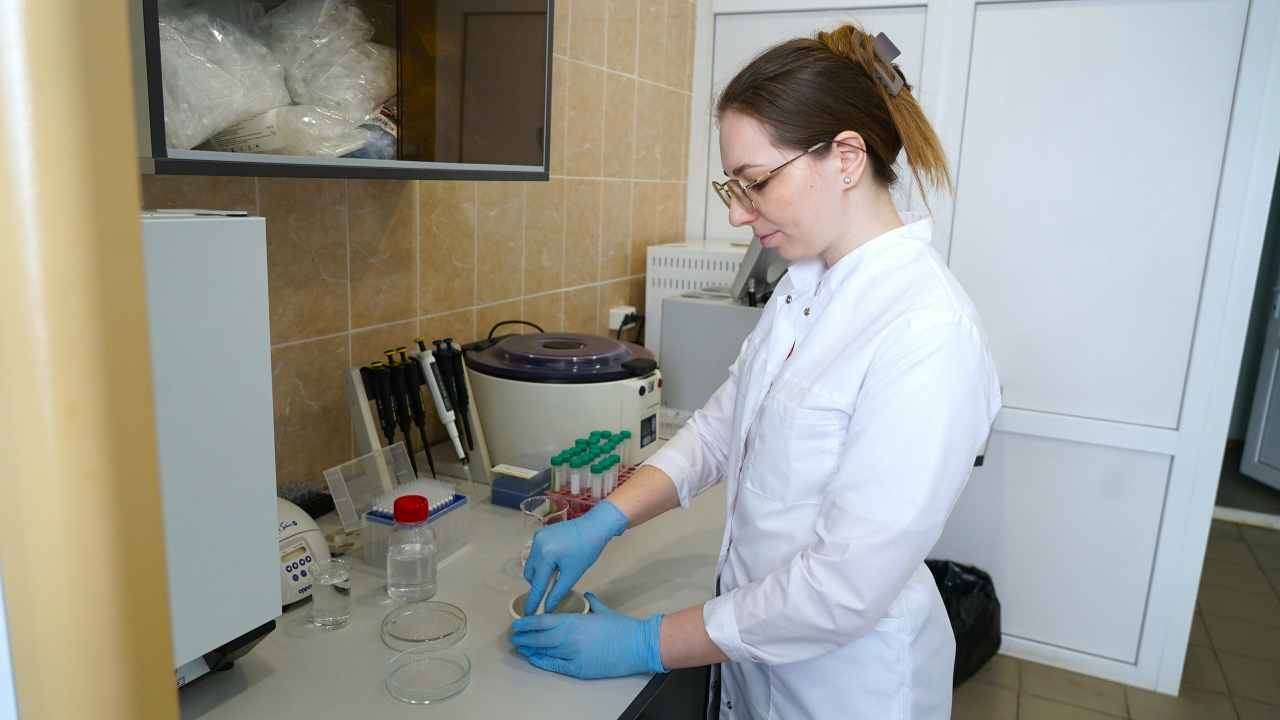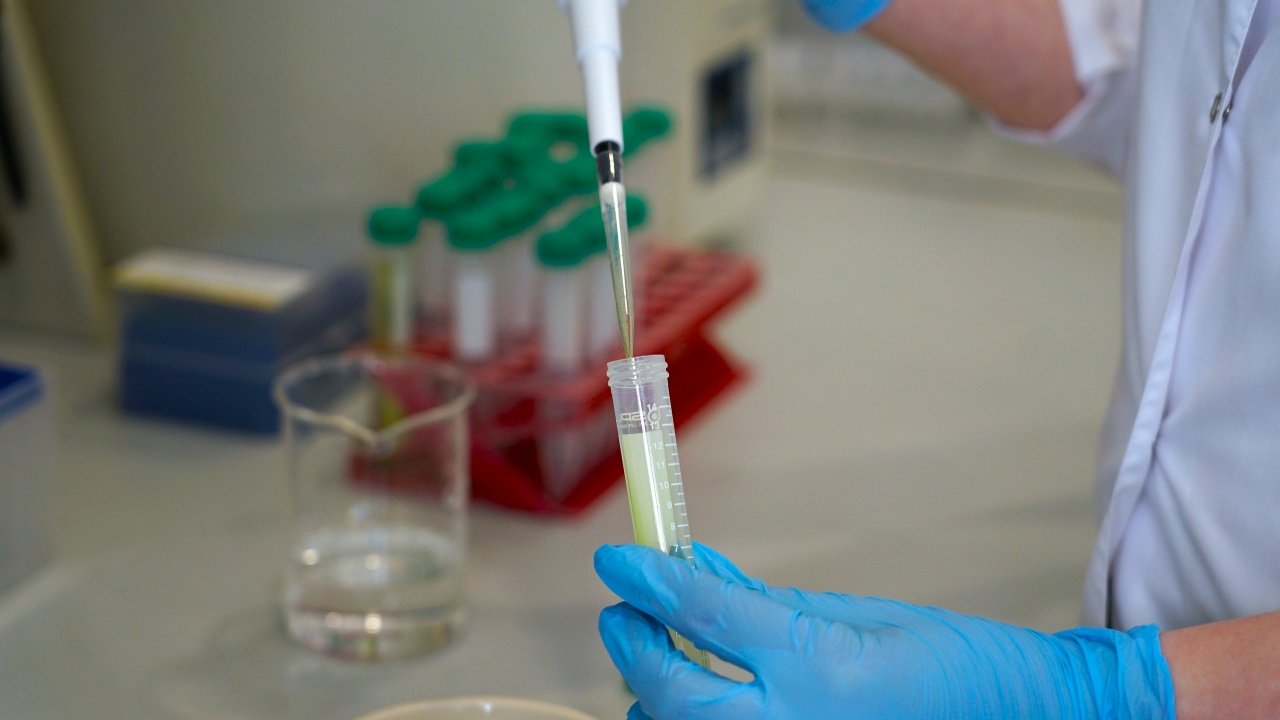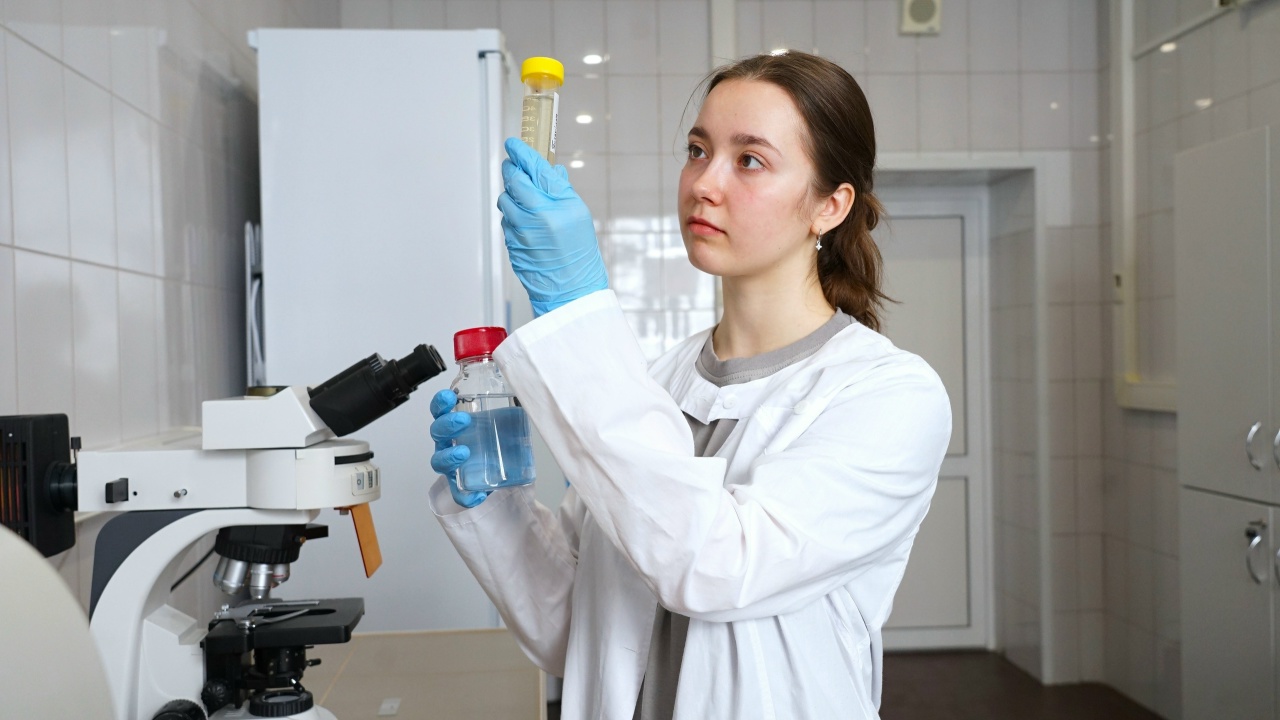
Scientists at Derzhavin University continue to work on developing new plant protection products that are highly effective and environmentally safe. The Derzhavin University research project aims to develop scientific and methodological foundations for the creation of a fundamentally new generation of nanostructured products with both pesticidal and growth-promoting properties. "Smart" pesticides based on a nanotechnology approach can improve the effectiveness of pest control over long periods of time without negatively impacting plants or agroecosystems as a whole. The project is being implemented with the support of a regional grant from the Russian Science Foundation (RSF).
– Reducing the negative impact on the environment is achieved through the prolonged release of biologically active components and, as a result, a radical reduction in their effective concentrations, tens of times lower than those of traditional analogues. Furthermore, nanoparticles act as effective antimicrobial agents, capable of overcoming microbial resistance through non-specific mechanisms of action, such as membrane disruption, the formation of reactive oxygen species, and DNA damage. Such preparations have high export potential. Given the provisions of the Strategy for Socioeconomic Development of the Tambov Region until 2035, the development of these preparations and environmentally friendly production methods is particularly important for the region, says Olga Zakharova, project manager, PhD, Director of the Derzhavin University Research Center for Ecology and Biotechnology.
The new preparations are based on copper oxide nanoparticles. They possess a combination of proven antimicrobial (especially fungicidal) properties and phytostimulating effects, primarily associated with the activation of copper-containing enzymes. Preliminary studies determined the optimal particle size and shape. However, scientists encountered a problem in making preparation forms: the particles have clear hydrophobic properties and are unstable in aggregation, posing risks for their practical use. To deal with this problem, the researchers "surround" the particles with a special hydrophilic shell based on polymeric guanidine derivatives. These polymers possess their own antibacterial effect, complementing the action of copper oxide.
The effectiveness of the new development has already been experimentally proven. Prototypes of the "smart" pesticides demonstrated high activity against the phytopathogenic fungi Fusarium and Alternaria, as well as bacteria that cause black bacteriosis of wheat. At the same time, the preparations were safe for beneficial soil microorganisms – streptomycetes.
Furthermore, analysis of stress-resistance gene expression in artificially infected plants showed that treatment with nanopreparations increases disease resistance by enhancing the plant's immunity. A pilot field experiment on sugar beets yielded impressive results: the yield more than doubled. Comparative trials confirmed that the developed nanopreparations are superior in effectiveness to an imported copper-containing fungicide and traditional copper sulfate, which were used for comparison. The scientists plan to develop the most convenient pesticide formulation and conduct field trials in various regions of Russia before eventually bringing the development to market.