The research team of Derzhavin University under the supervision of Associate Professor Svetlana Shutova studies the probable risks and severity of visual analyzer disorders during cybersport. The scientists won a University grant for their research. The work is being carried out jointly with colleagues from the Tambov Branch of the Scientific and Technical Complex "Eye Microsurgery" named after Academician S.N. Fedorov of the Ministry of Health of the Russian Federation under the supervision of Professor Oleg Fabrikantov.
– We believe that the load on the visual system of cyber athletes is significantly higher than that of an ordinary computer user, – says Svetlana Shutova. – This is due to the fact that the concentration and switching of visual attention during a computer game should be maximum: among cyber players there is even a phrase “blink – die”. Therefore, there is an urgent need to obtain information about the state of the visual analyzer of cyber athletes and the potential risks of ophthalmological problems. Today, despite the progressive growth in the number of people involved in cyber sports and the interest of researchers in this type of activity, there is no data on the impact of this type of activity on the visual system in medical literature. Accordingly, there is no information on health-saving technologies in this area.
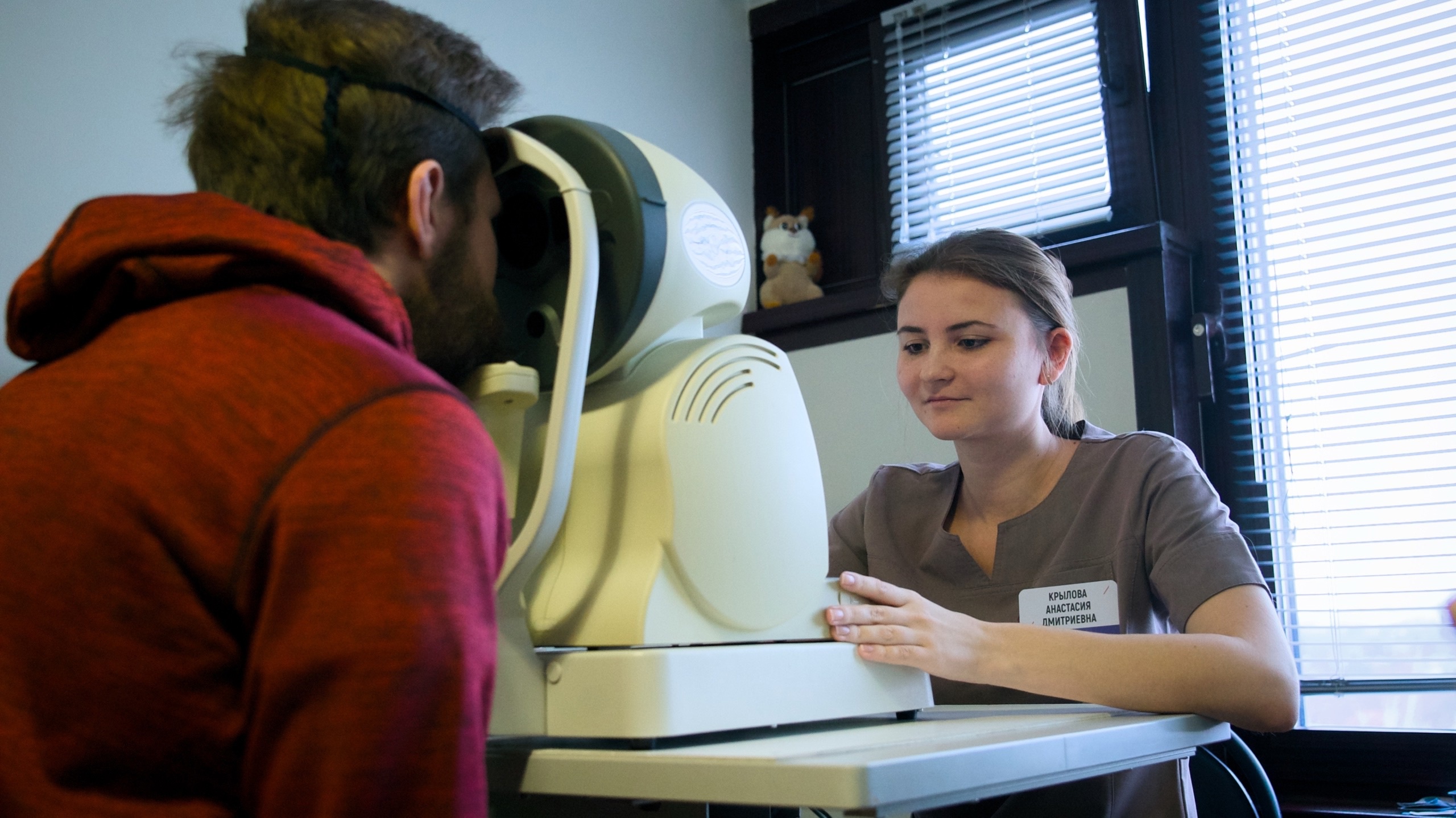
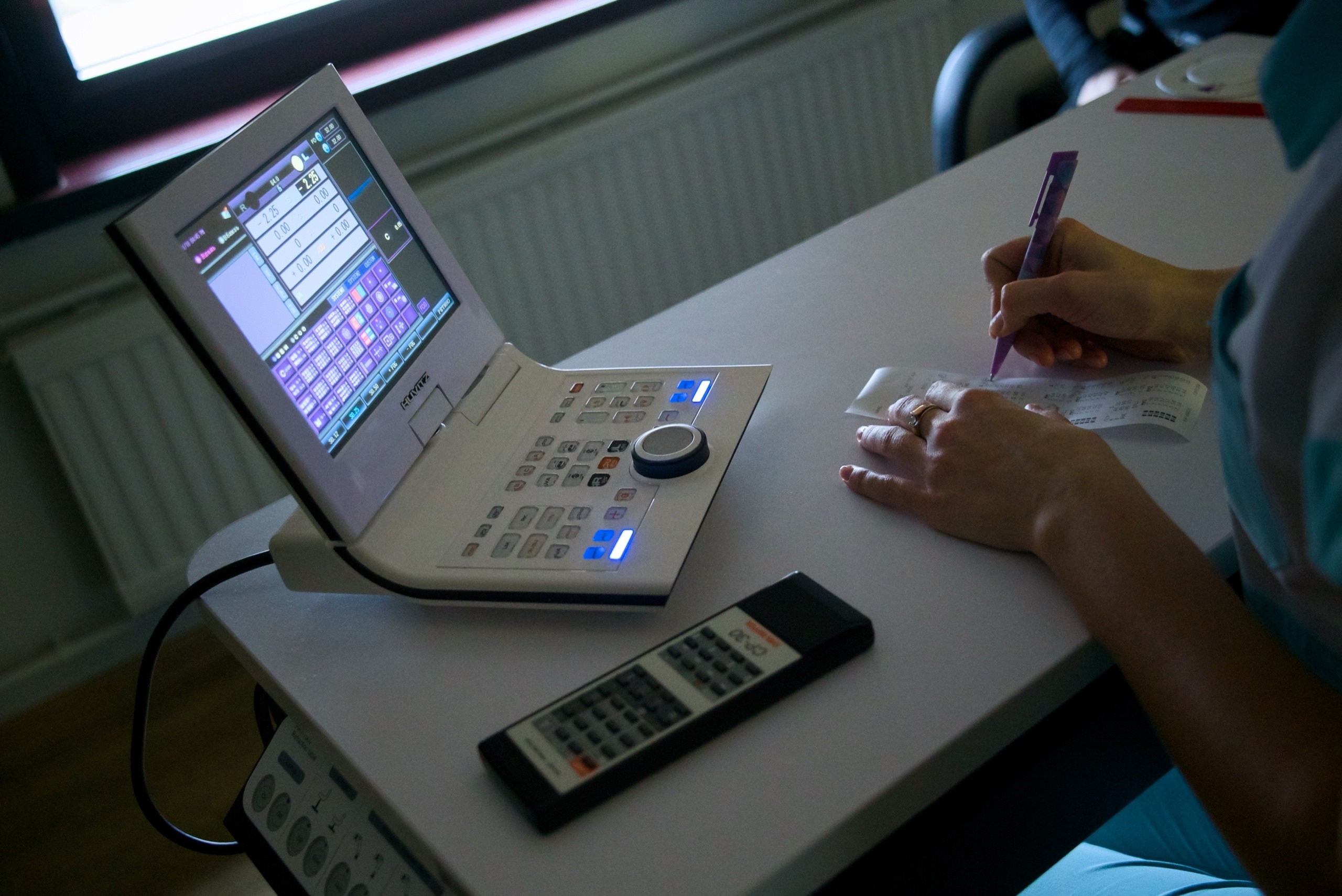
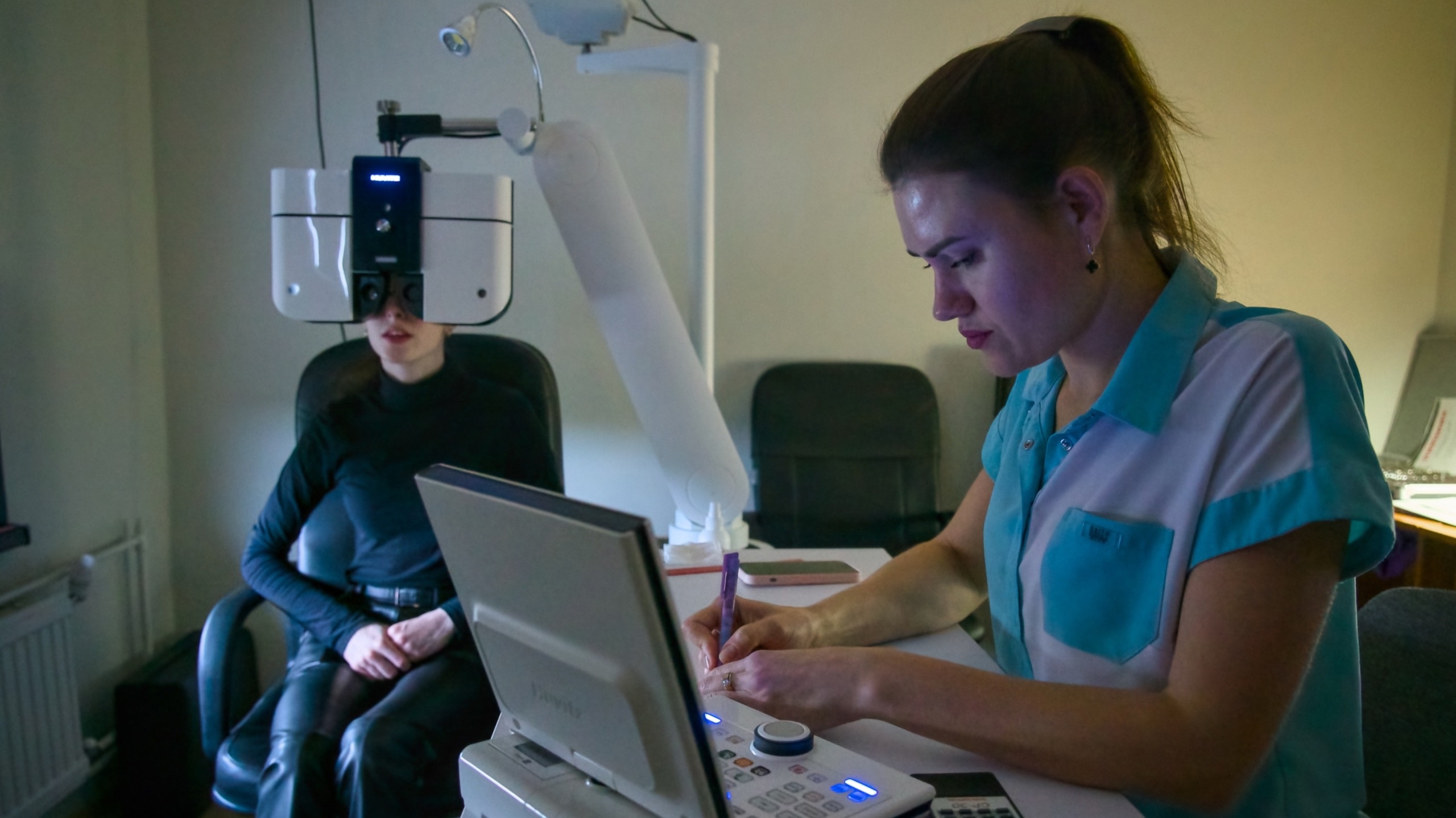
At the first stage, the MNTK staff conducted a comprehensive clinical and diagnostic study of a group of cyber athletes and a relevant control group. Specialists assessed the visual system by more than 180 parameters, with the help of which scientists will receive highly accurate information about visual acuity, the state of the eye accommodation system, contrast sensitivity, the speed and accuracy of simple and complex visual-motor reactions in normal and stressful conditions of implementation, etc. After the examination, ophthalmologists prepared a conclusion for each participant.
Now scientists are comparing the results and, based on them, will develop programs for correcting ophthalmological disorders developing in cyber athletes using non-drug methods and test them. The results of the study will be summarized in the summer of 2025.