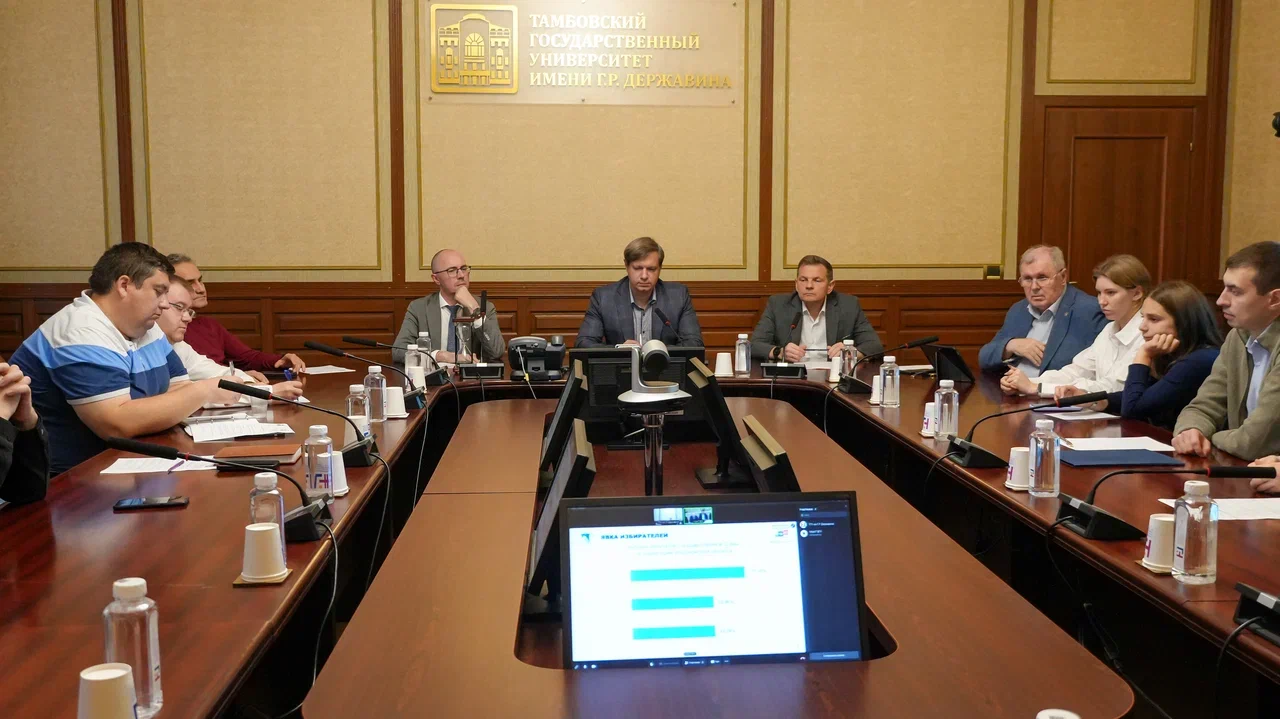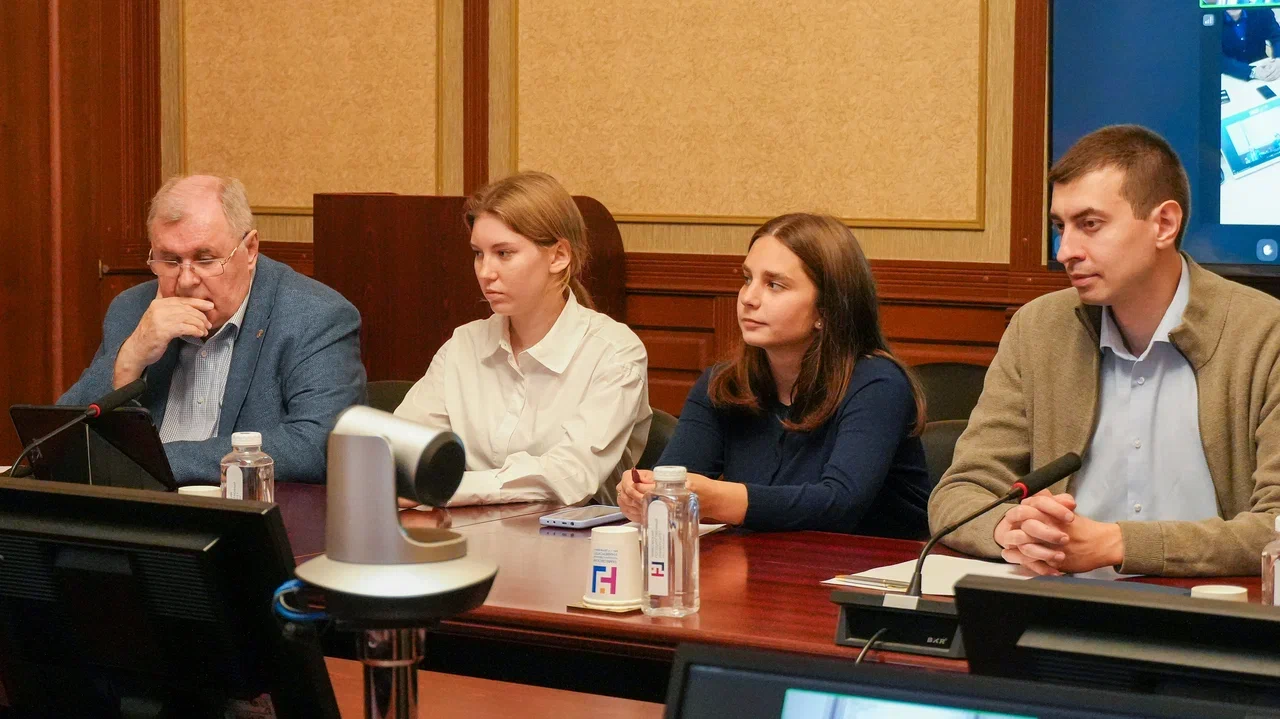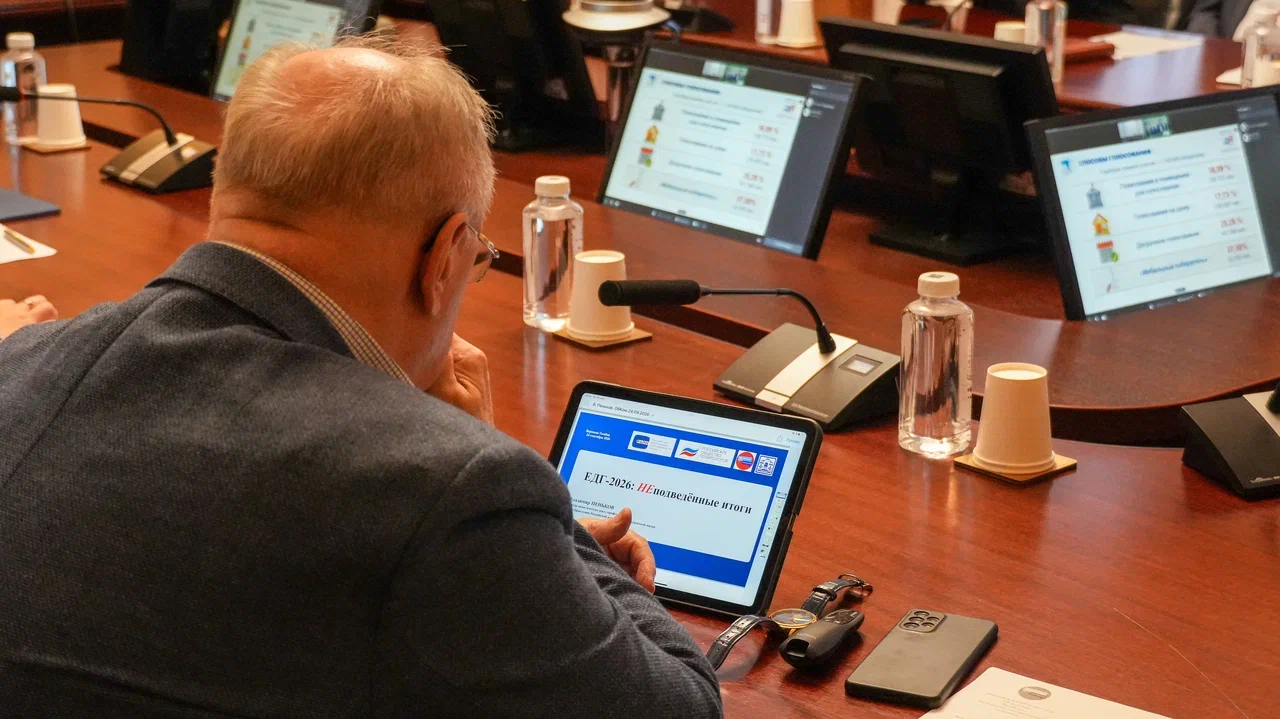
A joint meeting took place between the political science clubs of Derzhavin University ("ObKom") and Voronezh State University. This marked the second collaborative discussion among the Chernozemye region's most prominent political scientists. The first session, held in April, garnered exceptionally positive feedback both within and beyond the region. As in the spring, the meeting—involving members of the Tambov-based "ObKom" (Discussions & Commentary) expert club hosted by Derzhavin University and their colleagues from Voronezh State University—was conducted online; this format in no way diminished the intellectual and emotional engagement of the participants in the discussion.
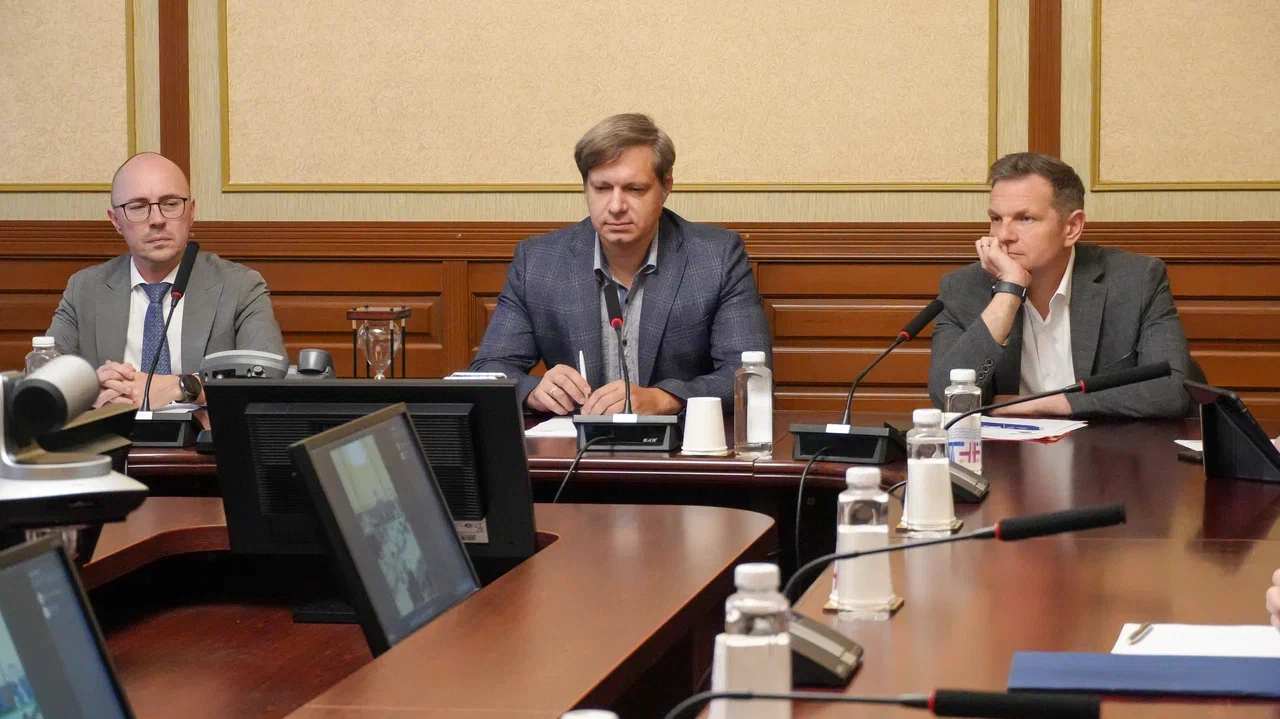
The event was moderated by Ilya Khabarov (Candidate of Political Sciences, Derzhavin University) and Roman Savenkov (Doctor of Political Sciences, Voronezh State University). Before the proceedings began, the university rectors addressed the participants, highlighting the importance of this established academic and expert collaboration and expressing their readiness to further strengthen inter-university ties.
"The joint meeting of the regional political science clubs—Tambov and Voronezh—is an excellent example of effective horizontal communication, professional cooperation, and intellectual synergy," noted Pavel Moiseev, Rector of Derzhavin University. "This format has been used before, and I am confident it will continue to develop. Many events lie ahead that merit the attention of our esteemed experts. The topic of today's discussion is both natural and logical; in the current landscape, elections remain a key political issue and the primary mechanism for forming government bodies and political elites." Examining the results and analyzing the behavioral patterns of all participants in the electoral process constitute a crucial element of expert policy analysis. Particular attention was also paid to the vital, interconnected issues of strengthening public trust, political legitimacy, and state sovereignty.
The agenda comprised two sections. The first focused on reviewing the results of the three-day voting period. Key speakers included Andrey Ofitserov, Chairman of the Tambov Region Election Commission and a permanent member of the "ObKom" club, and Ilya Ivanov, Chairman of the Voronezh Region Election Commission. Discussions covered the specific electoral behaviors of residents in the Tambov and Voronezh regions, organizational and legal innovations for the 2026 election campaigns, and the professional operations of election commissions at various levels. Additionally, scholars discussed measures aimed at ensuring the protection of citizens' voting rights.
The second part of the event focused largely on interpreting the voting results and analyzing the strategies employed by parties and candidates—strategies that shaped the balance of political forces in the regions and the State Duma following the vote count. Vladimir Penkov, Doctor of Political Science and Professor, served as the lead speaker representing the Tambov region, while Leonid Goncharov, Candidate of Political Science and Associate Professor, represented colleagues from Voronezh. Experts also examined the factors motivating Russians to visit polling stations; voter turnout served as a clear indication of the public's readiness to express their civic stance through action.
The experts highlighted the specific electoral characteristics of the Voronezh and Tambov regions. For instance, in the State Duma elections, when voting via party lists, Voronezh residents demonstrated particularly strong support for the ruling party (72.16%); at the same time, however, they showed a willingness to back a relatively new force on the national political scene—the "New People" party—which secured a respectable third place with 5.86% of the vote. While residents of our region showed slightly lower—though still robust—support for United Russia (65.21%), they maintained a stronger commitment to other established Russian political brands, such as the CPRF, the LDPR, and A Just Russia. This trend is broadly reflected in the results from all three single-mandate constituencies in Voronezh and the one in Tambov.
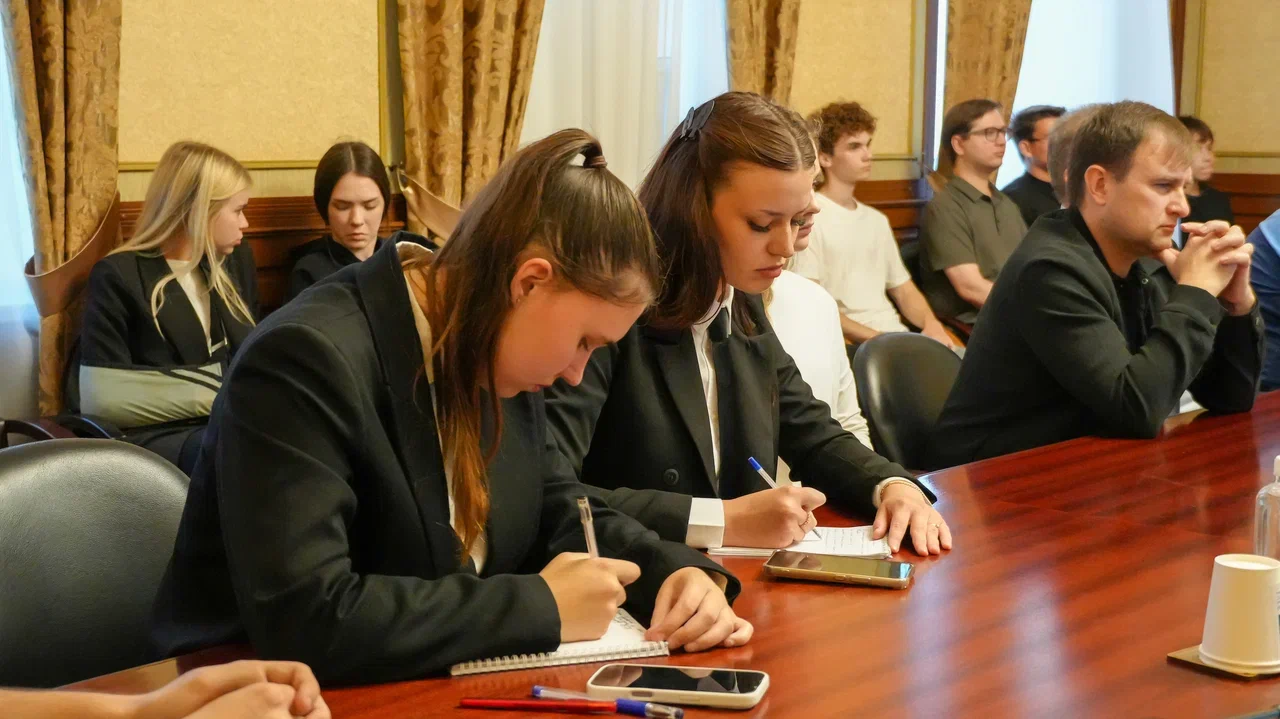
As is customary, the event concluded with a Q&A session and an exchange of views. Here, alongside seasoned experts, students from Derzhavin University—future political scientists, civil servants, lawmakers, and party leaders—distinguished themselves admirably.