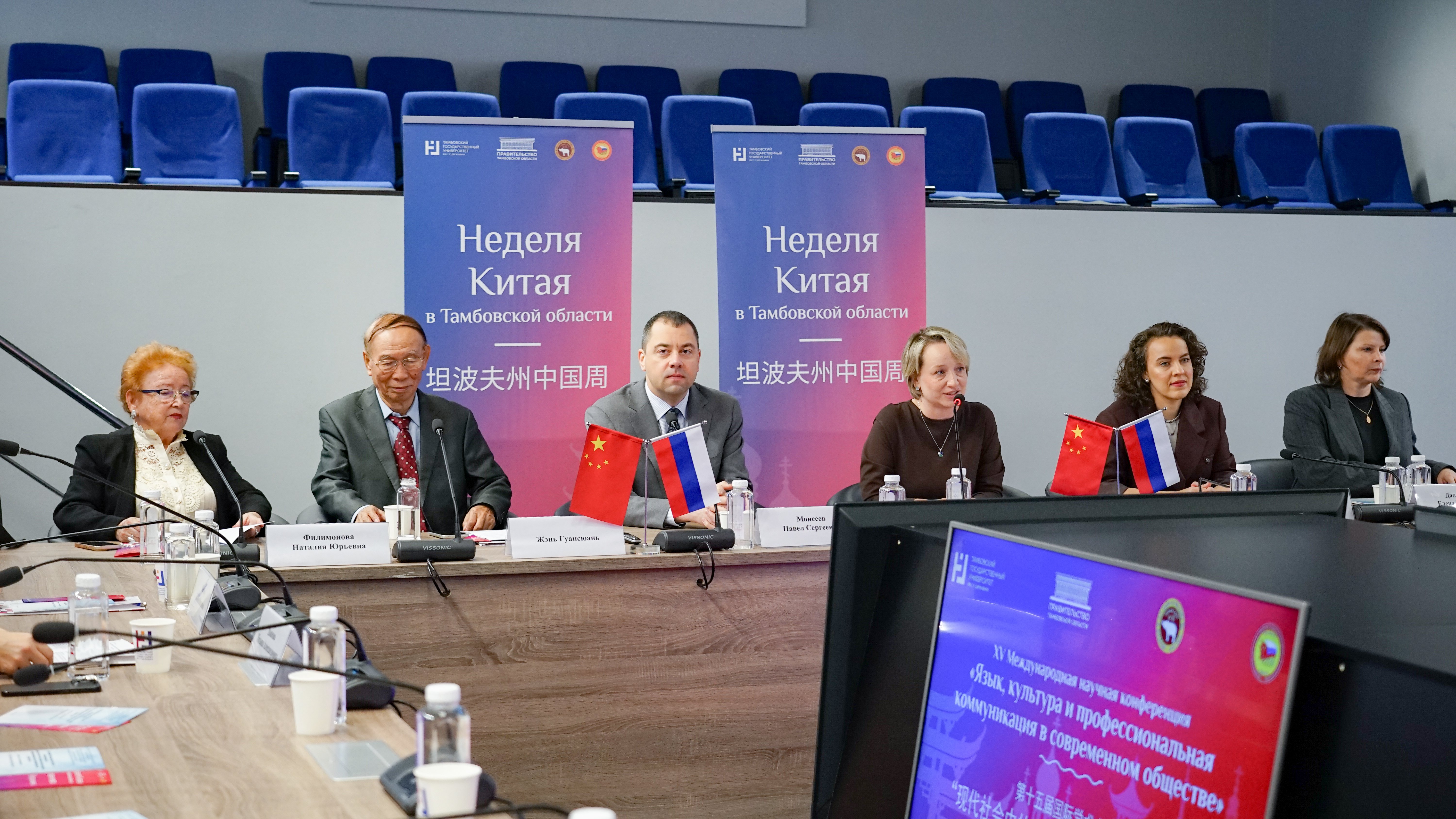
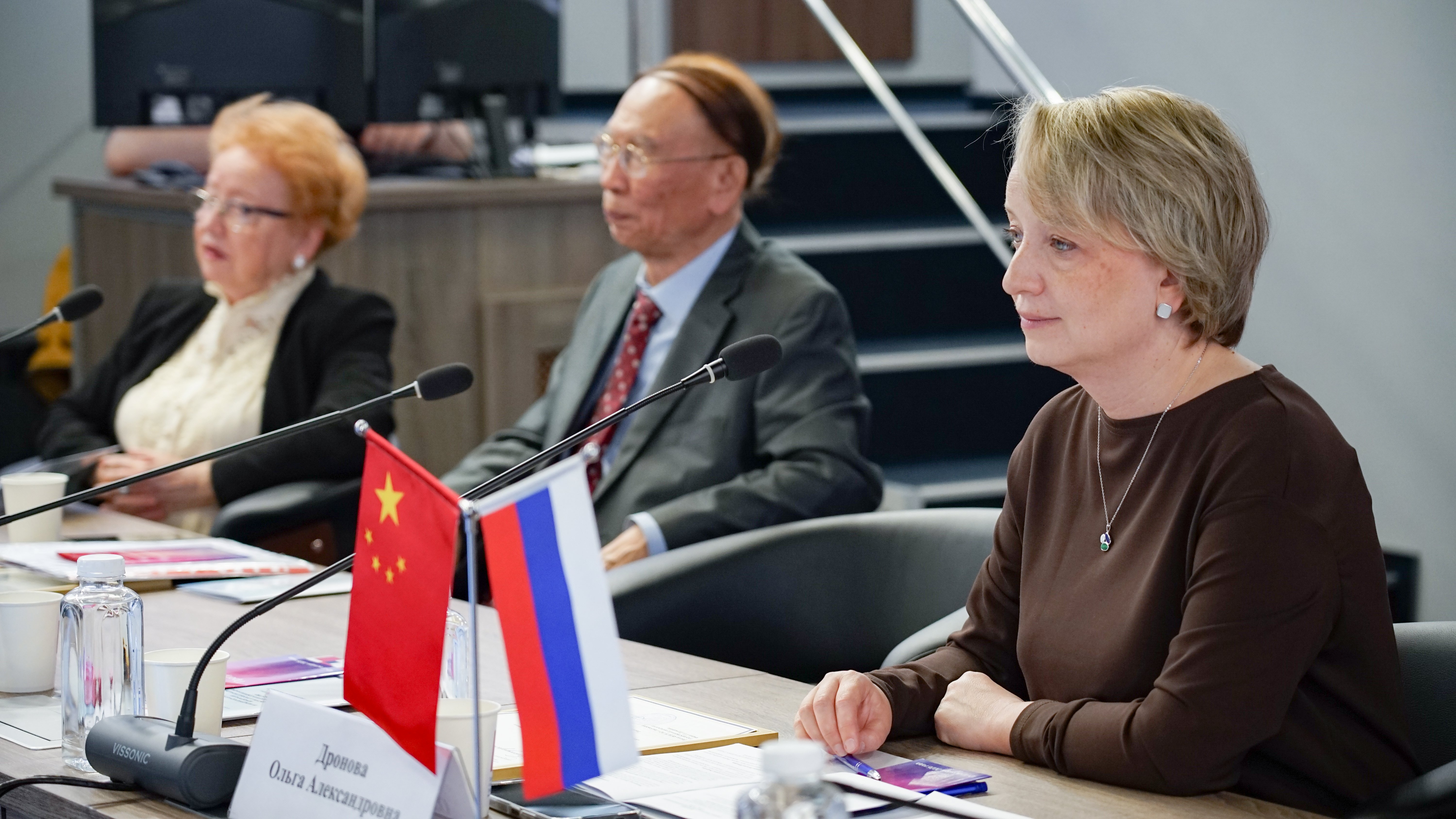
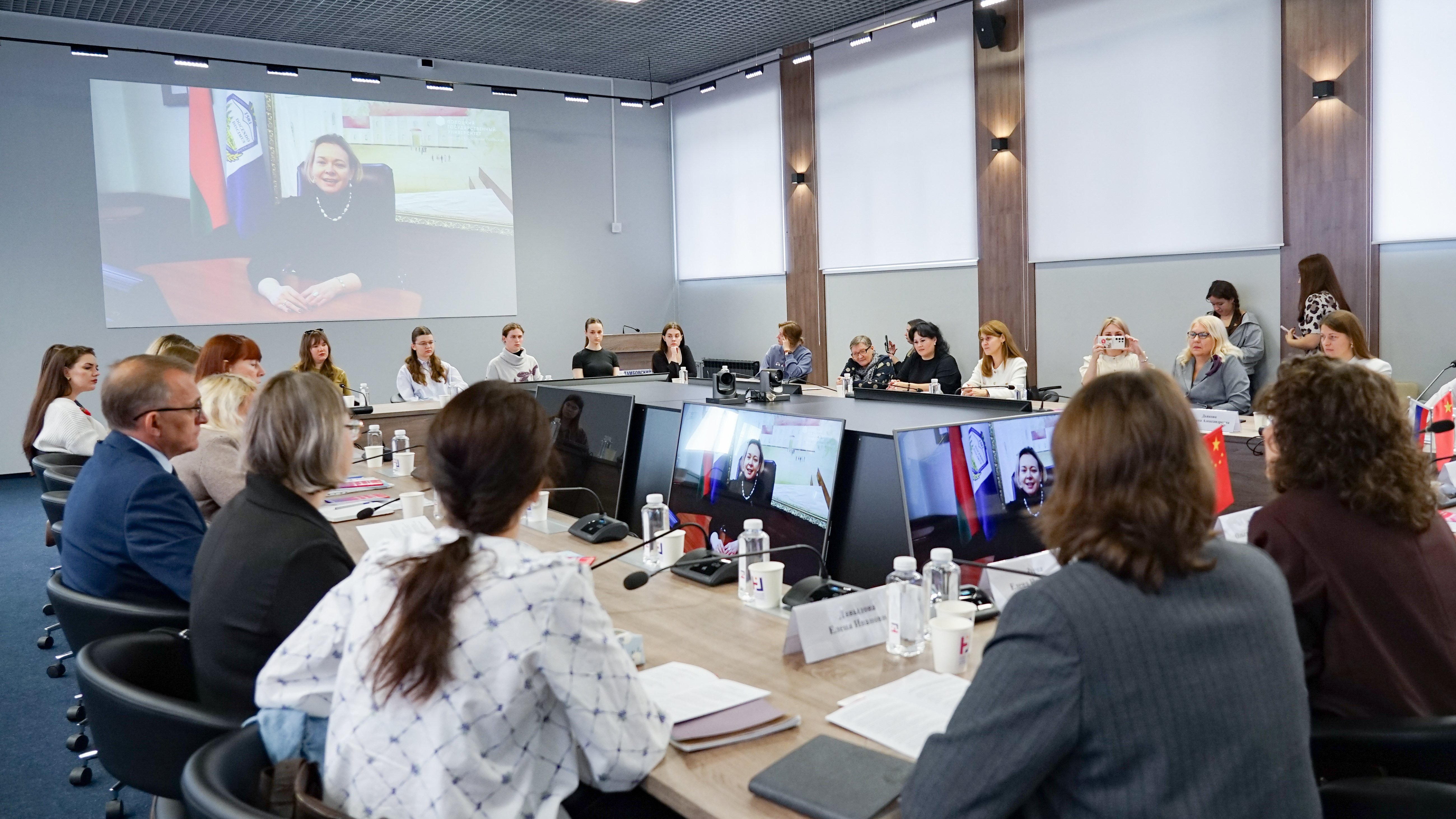
Derzhavin University hosted the international scientific conference “Language, Culture and Professional Communication in Contemporary Society.” Leading philologists, cultural studies scholars and linguists from universities in Russia, Belarus, China, Hungary and Uzbekistan discussed the latest developments in teaching Russian as a foreign language and other foreign languages in higher education.
The conference addressed a range of topical issues, including the digitalisation of language education, the use of artificial intelligence in teaching Russian and foreign languages, the development of textbooks and teaching and learning materials, and the introduction of effective approaches to the sociocultural adaptation of international students to the university environment. Particular attention was paid to teaching Russian for specific professional purposes—in medicine, economics and philology—as well as to ethnocultural considerations in teaching students of different nationalities.
“The conference ‘Language, Culture and Professional Communication in Contemporary Society’ has an excellent professional reputation. It directly addresses Derzhavin University's strategic priorities,” said Pavel Moiseev, Rector of Derzhavin Tambov State University. “First, there is the need to teach Russian to our international students, whose numbers place us among the leading regional universities in Russia. Second, we aim to establish productive cooperation with partners abroad. We offer them our Russian-language teaching methods, which have already been tested and proven effective. The conference thus makes an important contribution to the export of education services.”
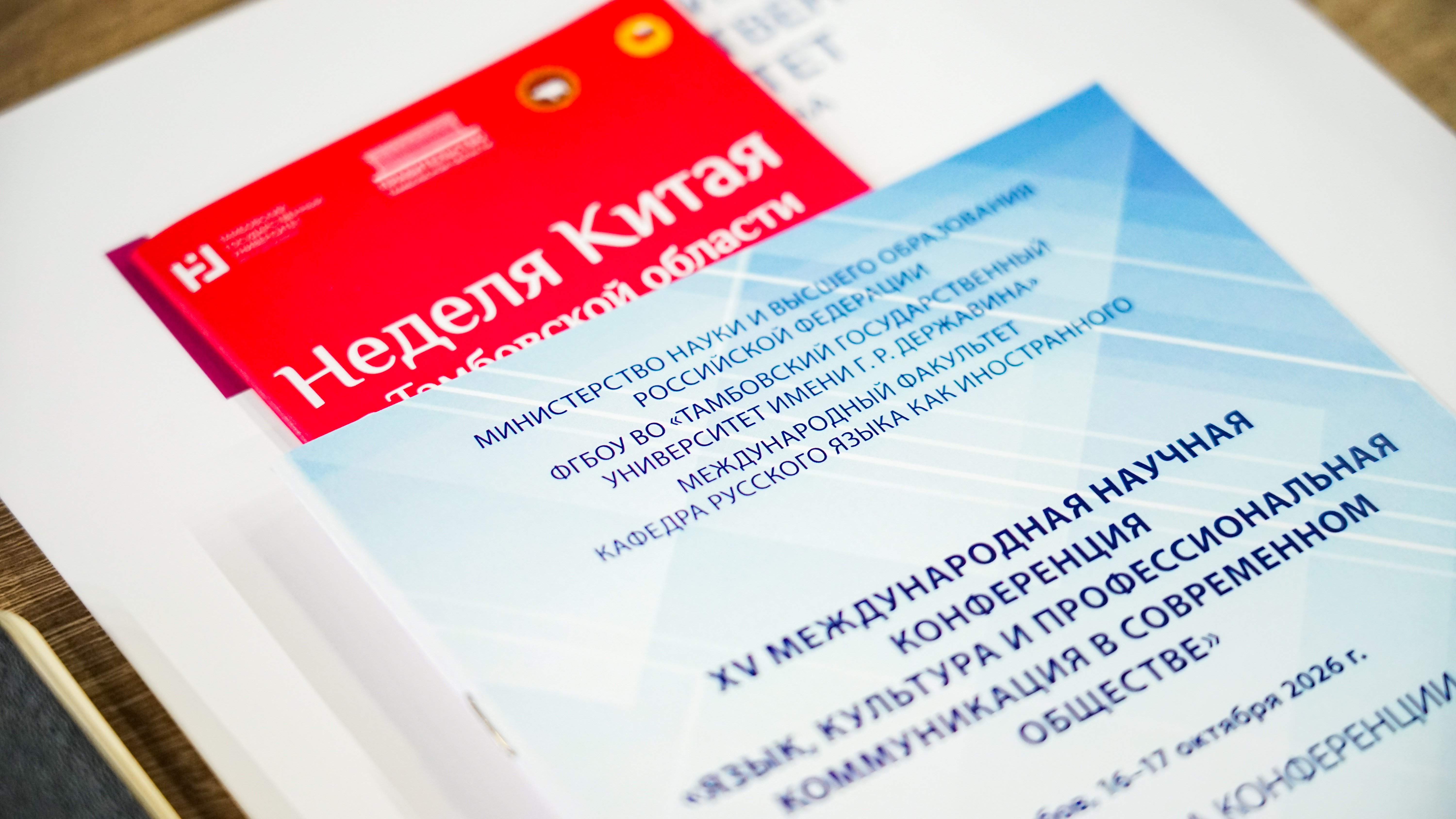
This year's conference, the fifteenth in the series, was held as part of “China Week in the Tambov Region.” It was organised by Derzhavin University's Department of Russian as a Foreign Language. In 2026, colleagues from Euphrosyne of Polotsk State University (Belarus), with which Derzhavin University is developing cooperation in research and education, joined the organising committee.