The Russian Academy of Education hosted the 4th All-Russian Scientific and Practical Conference, “We Know How to Teach”. The event was organised by the Academy’s Centre for the Development of Teacher Education.
The forum focused on key issues in teacher training: the development of teacher education, the introduction of digital technologies, education in history, and employment opportunities for teacher-training graduates.
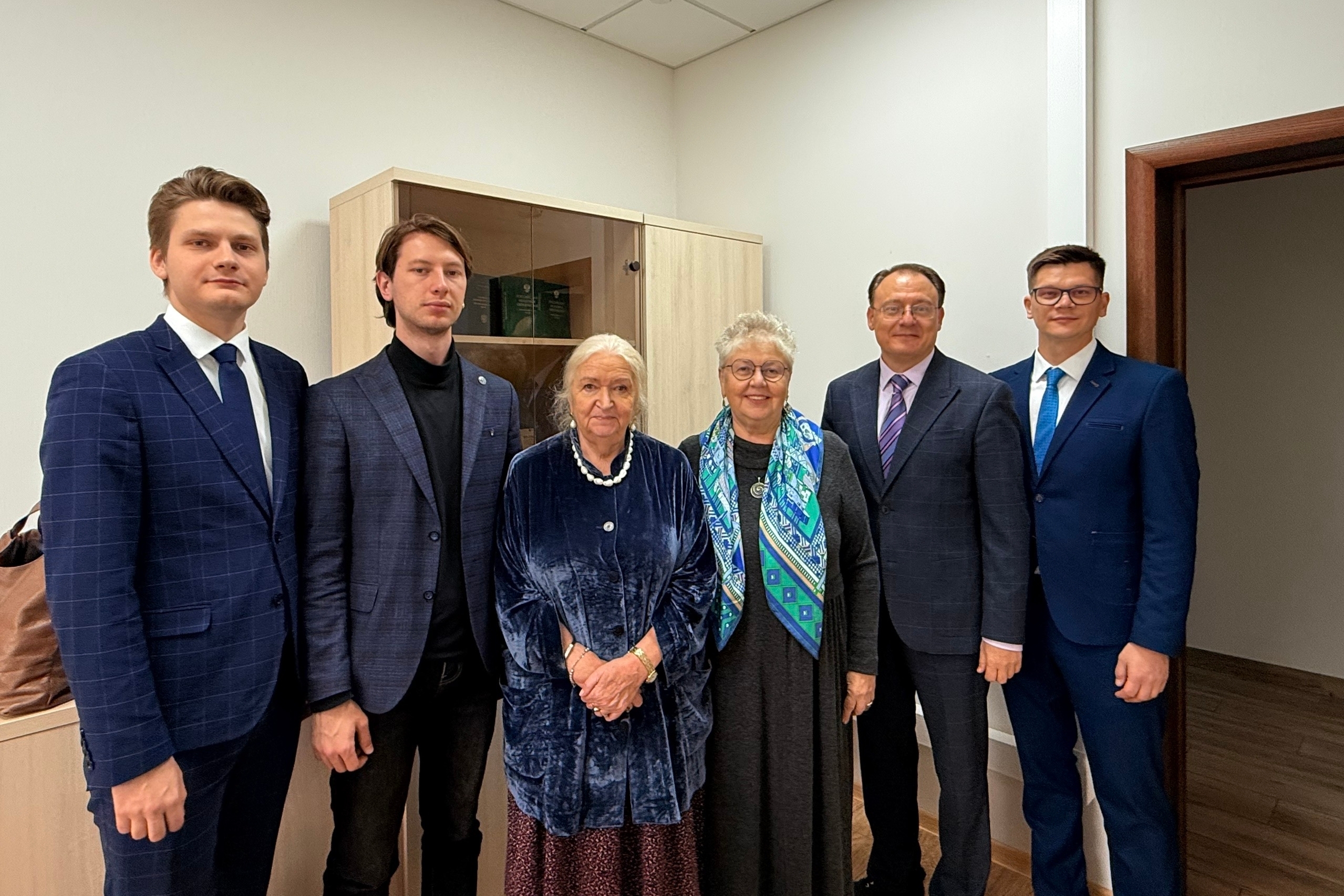
A delegation from the Tambov Research Centre of the Russian Academy of Education — its director, Professor Pavel Sysoev; deputy director, Associate Professor Maksim Evstigneev; and researchers Evgeny Filatov and Danila Sorokin — represented Derzhavin University at two conference sessions.
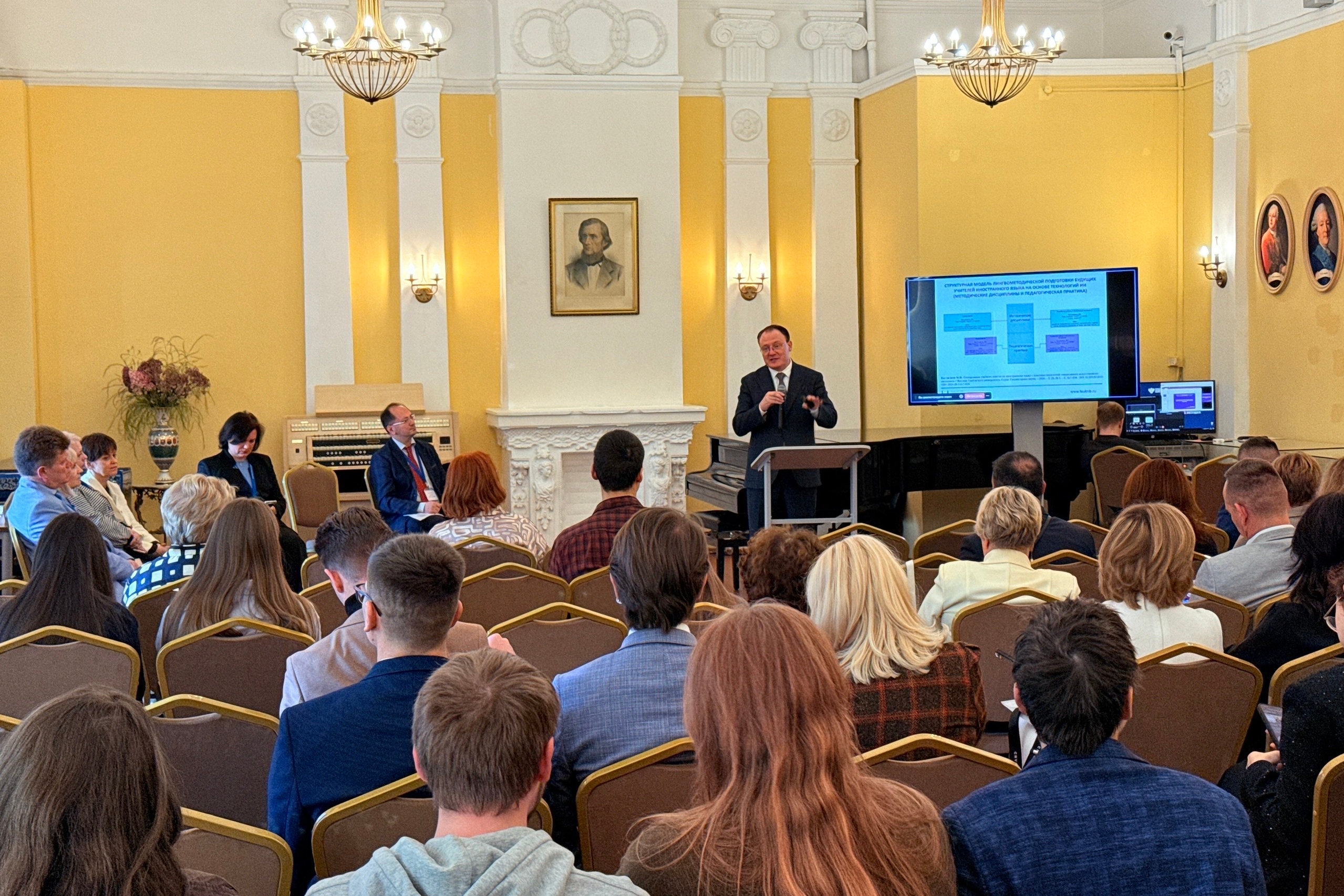
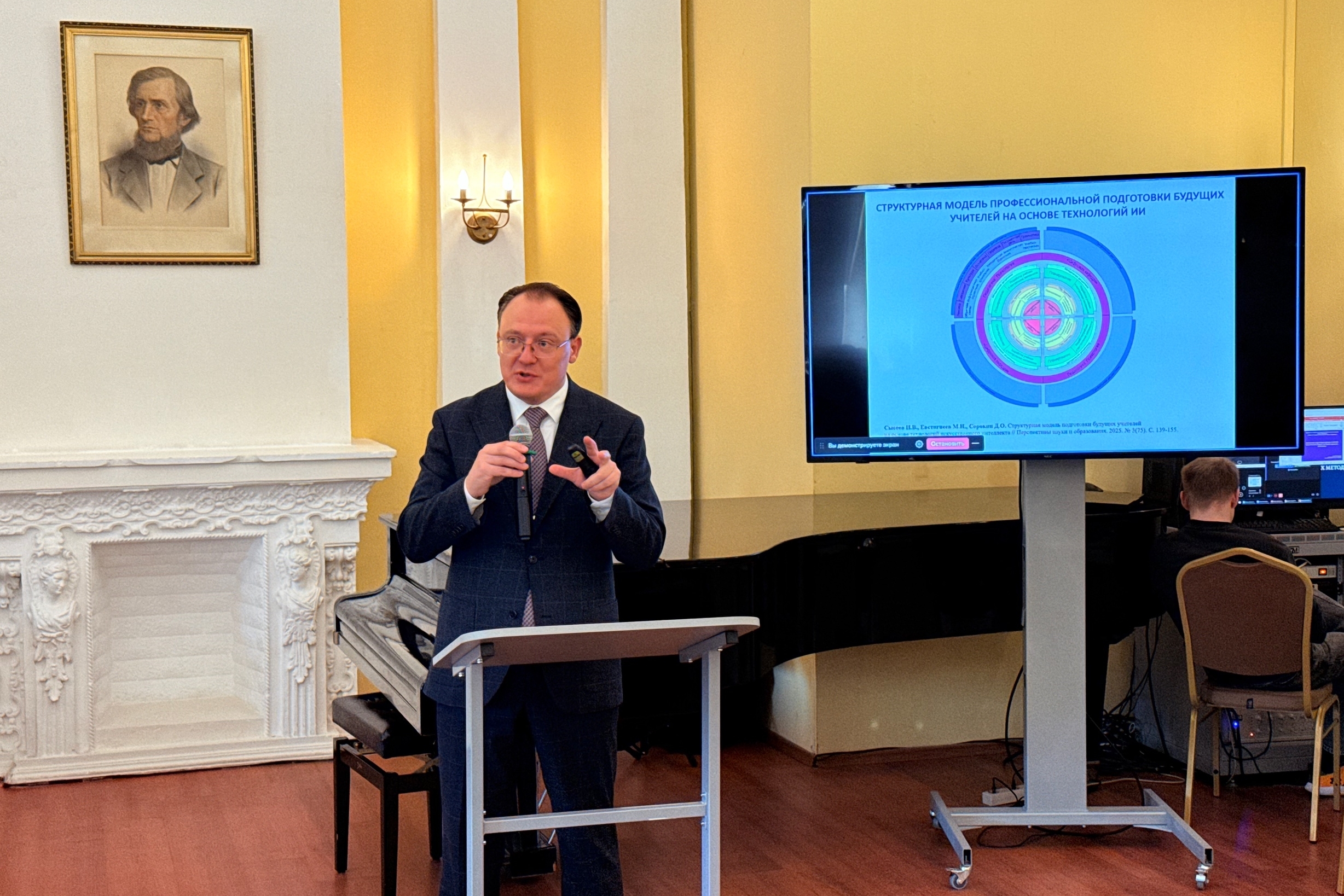
The first was an innovative research initiative of the Russian Academy of Education, “A Comprehensive Model for Training Research and Teaching Staff at a Comprehensive University”, led by Elena Vrublevskaya, Doctor of Pedagogical Sciences, professor and corresponding member of the Academy. The initiative brings together academics from Tambov State University named after G.R. Derzhavin and researchers from the Academy’s research centre at K.L. Khetagurov North Ossetian State University, Sevastopol State University and Smolensk State University. The Derzhavin University researchers presented a framework of artificial intelligence tools that undergraduate, master’s and doctoral students can use to address research problems as AI becomes increasingly integrated into teaching and research.
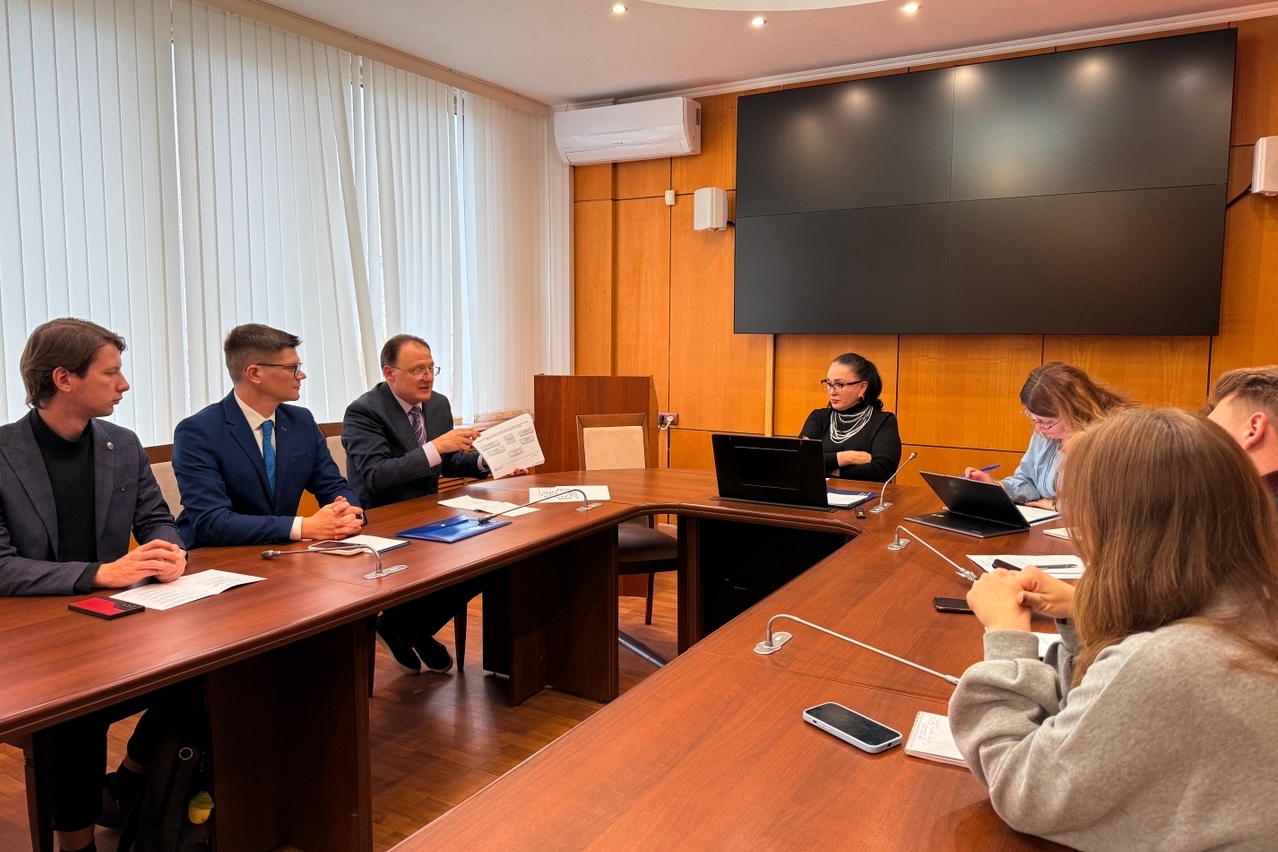
Another key event was the Tambov delegation’s participation in the expert session “An Ecosystem for Teacher Training: Aligning Curriculum Renewal with the Development of Practice-Oriented Methods”. It was chaired by Svetlana Minyurova, Doctor of Pedagogical Sciences, professor, corresponding member of the Russian Academy of Education and head of its Centre for the Development of Teacher Education. Derzhavin University introduced the Russian teacher-education community to its innovative AI-based ecosystem for training future teachers.
“The research findings presented by scholars from the Tambov Research Centre of the Russian Academy of Education attracted considerable interest from conference participants,” said Professor Pavel Sysoev, director of the centre. “Since 2023, our Department of Linguistics and Language Teaching Methodology has been conducting research and experimental teaching using new AI-based approaches to foreign-language instruction and the teaching of methodology-related subjects. We have already built up a substantial body of expertise, reflected in several academic and applied publications. In many respects, this puts us ahead of colleagues at other universities who are only beginning to discuss how AI can be integrated into education. Taking part in such a major event at the Academy enabled us to coordinate our work with other centres addressing similar issues and identify priorities for further development. Of course, a human teacher will always be better than AI. However, as AI becomes more widespread, teachers who know how to use it will be in greater demand. That is why, when training future foreign-language teachers, we use modern AI tools to enrich students’ language practice and teaching-methodology training without replacing the teacher or human interaction in the educational process.”
This year, more than 200 researchers and practitioners from eight federal districts of the Russian Federation attended the “We Know How to Teach” conference. Participants included representatives of the Russian Academy of Education and the Ministry of Education of the Russian Federation; university rectors and vice-rectors; department heads; leaders of teacher-education degree programmes and institutions offering programmes in field 44.00.00, Education and Pedagogical Sciences; representatives of the Academy’s research centres; academic and teaching staff; lecturers; and doctoral and postgraduate students.