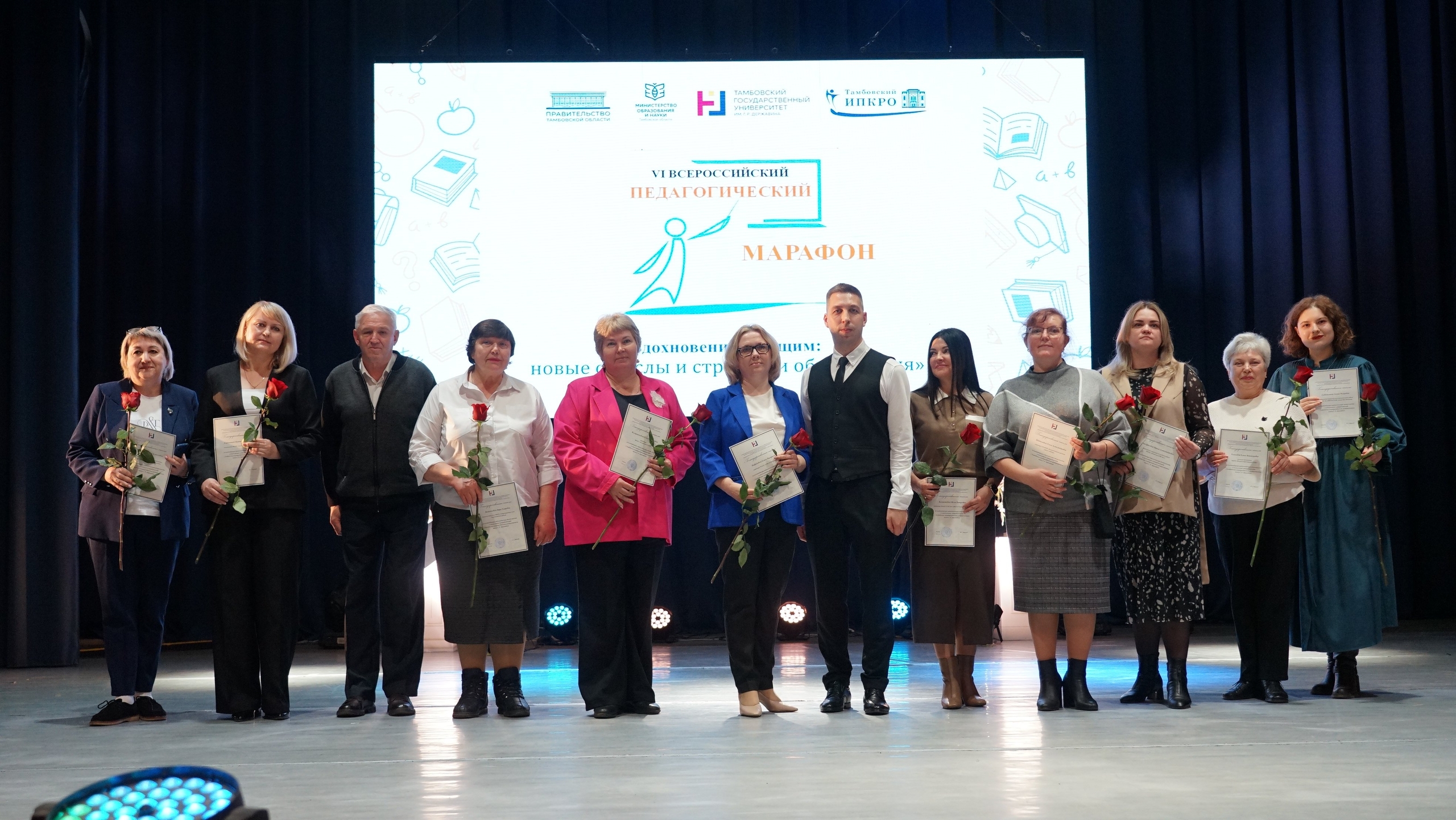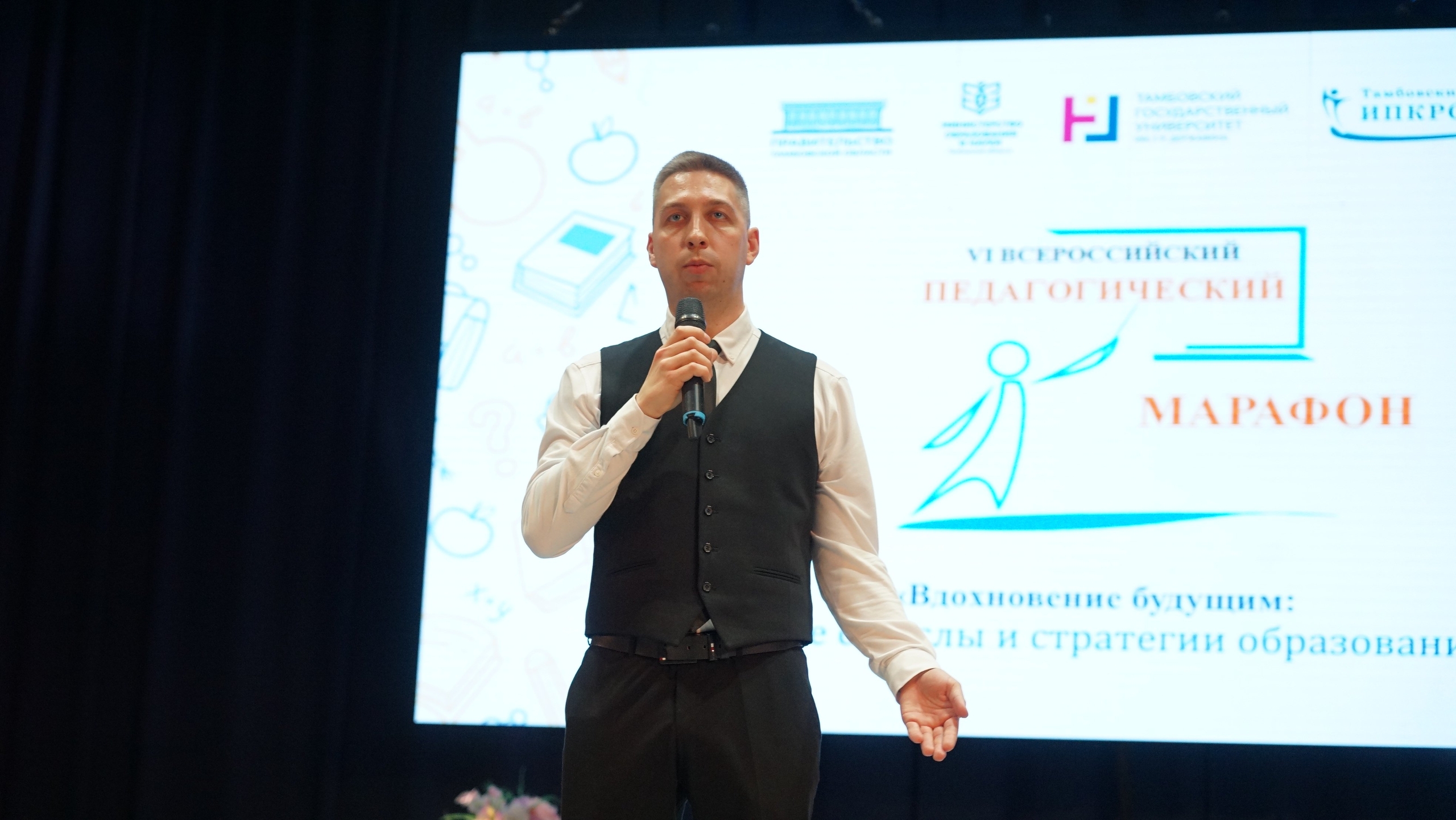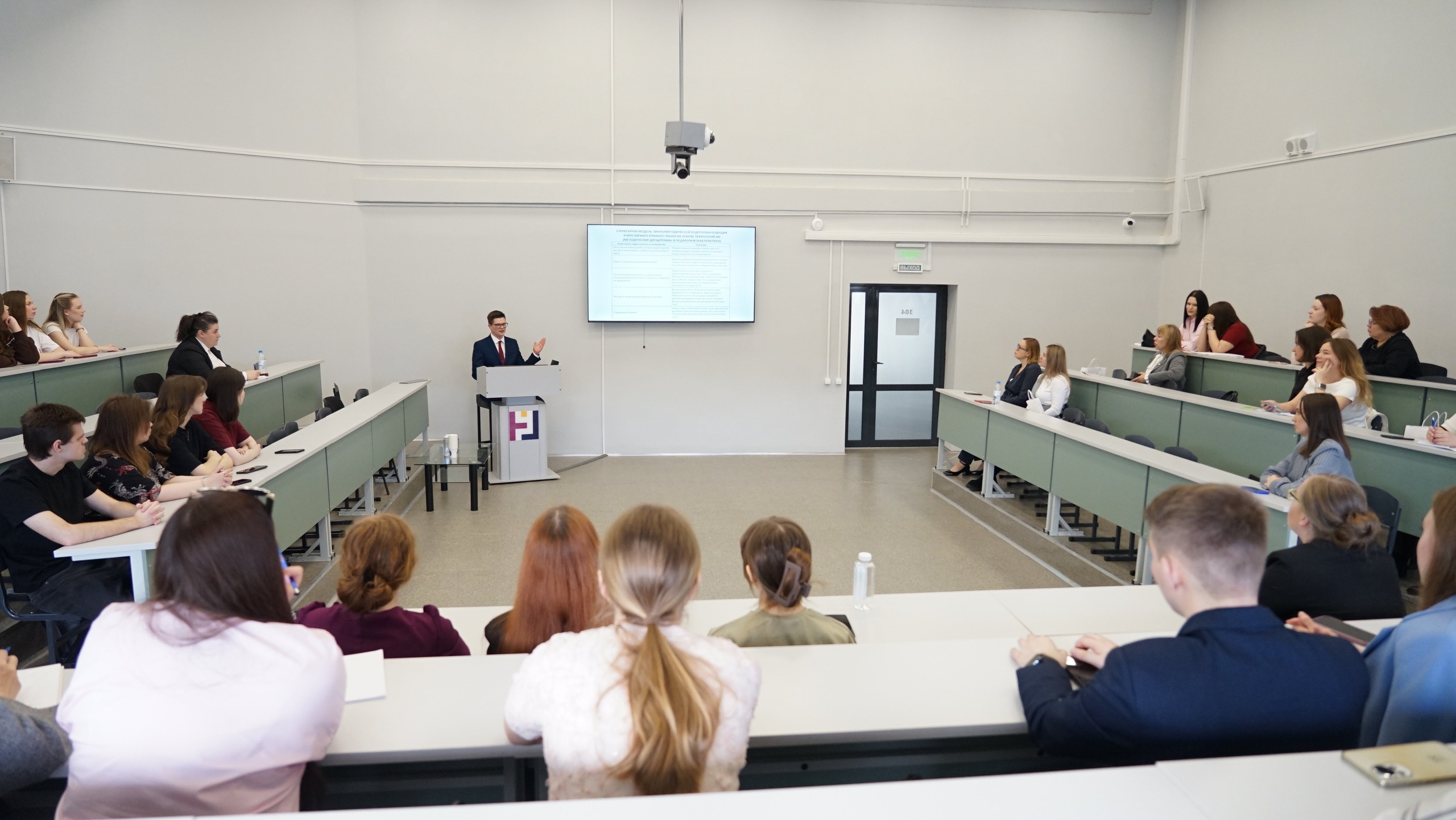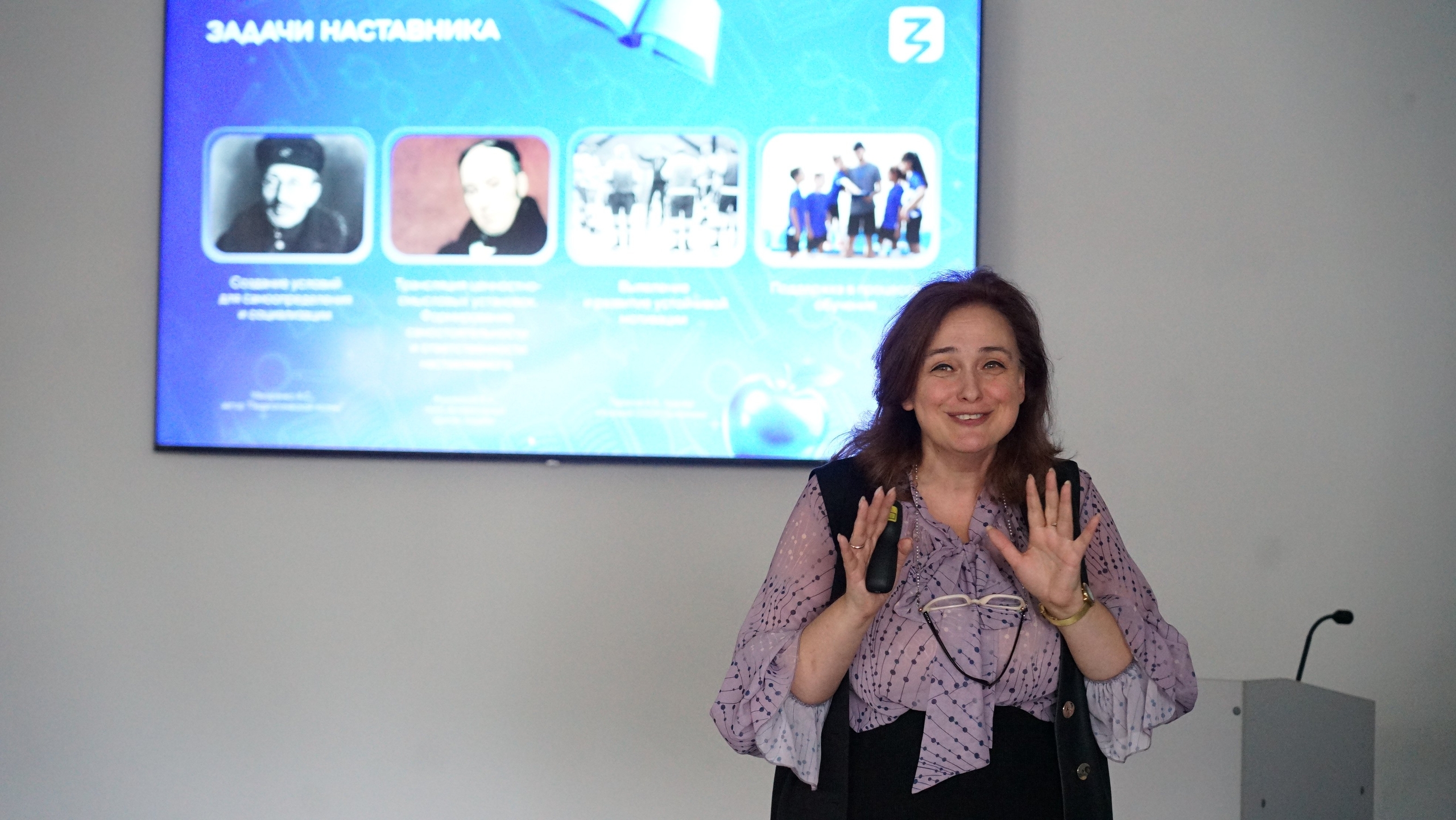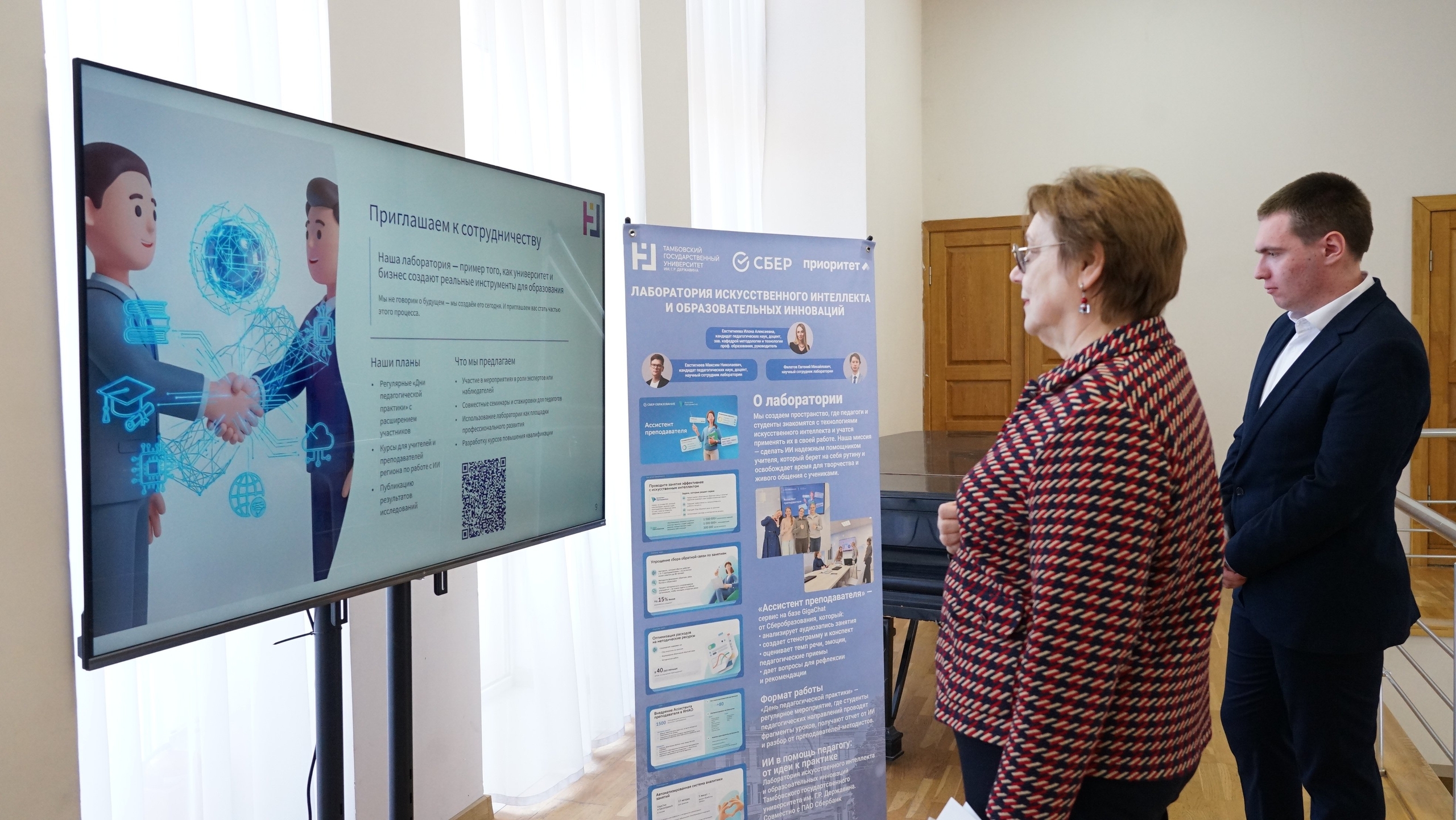
The three-day 6th All-Russian Pedagogical Marathon, "Inspiration for the Future: New Meanings and Strategies in Education," was launched at Derzhavin University. The organizers of the event were the Government of the Tambov Region, the Ministry of Education and Science of the Tambov Region, and Tambov State University named after G.R. Derzhavin.
The Pedagogical Marathon is a traditional platform for professional dialogue between the scientific and pedagogical community, administrators, and practicing teachers to discuss key trends, exchange innovative experiences, and find solutions to pressing problems in modern education.
"The most important innovation of the forum is the active involvement of teaching classes and teaching staff who provide scientific, methodological, and organizational support for the work of teaching classes," notes Tatyana Kotelnikova, Minister of Education and Science of the Tambov Region. "It's crucial that the forum becomes an informal platform where we discuss problems, prospects, and approaches to developing the regional education system. Furthermore, the forum is attended not only by students majoring in teaching, but also by students from other disciplines who are interested in teaching.
Participants will experience three days of intensive work, during which they will create effective prototypes for solutions to the methodological and organizational challenges facing modern teachers.
"At the pedagogical marathon, we will explore new approaches to teacher training and the adaptation of young specialists in schools, hone the work of mentors, and explore tools for both students and teachers, including artificial intelligence," said Nikolai Karev, Vice Rector for Strategic Development at Derzhavin University. "We expect that, following the marathon, organization leaders will work more closely with young specialists, who, in turn, will be better positioned to work in educational organizations and benefit children."
The organizers have prepared eight thematic tracks for the participants: "Digital Footprint vs. "The Educational Path," "Pedagogy of Creation," "Personalization as Ethics," "Educational Practices," "From Monologue to Dialogue," "Intellectual Alliance," "The Code of New Pedagogy," and "From Burnout to Engagement or a New Ecology of Thinking."
The topic of my presentation is "Dialogue with an Algorithm: The Possibilities and Risks of Live Communication among Teenagers in the Age of Chatbots." This is one branch of artificial intelligence. According to various studies, 90% of young people actively use chatbots. I'm interested in the psychological effects of these communications because there's one fundamental difference: communication with a chatbot is communication with an algorithm, but it's simulated as communication with a real person. "In my opinion, these distortions could represent serious changes and pose real dangers to cognitive and personal development," says forum speaker Elena Volkova, a leading researcher at the Laboratory of Childhood Psychology and Digital Socialization at the Federal Scientific Center for Psychological and Interdisciplinary Research, Doctor of Psychology, and Professor. "I'm eager to discuss with the participants which of my ideas and those of our federal center actually make sense, which ones are a cause for alarm, and how any innovation is always perceived."