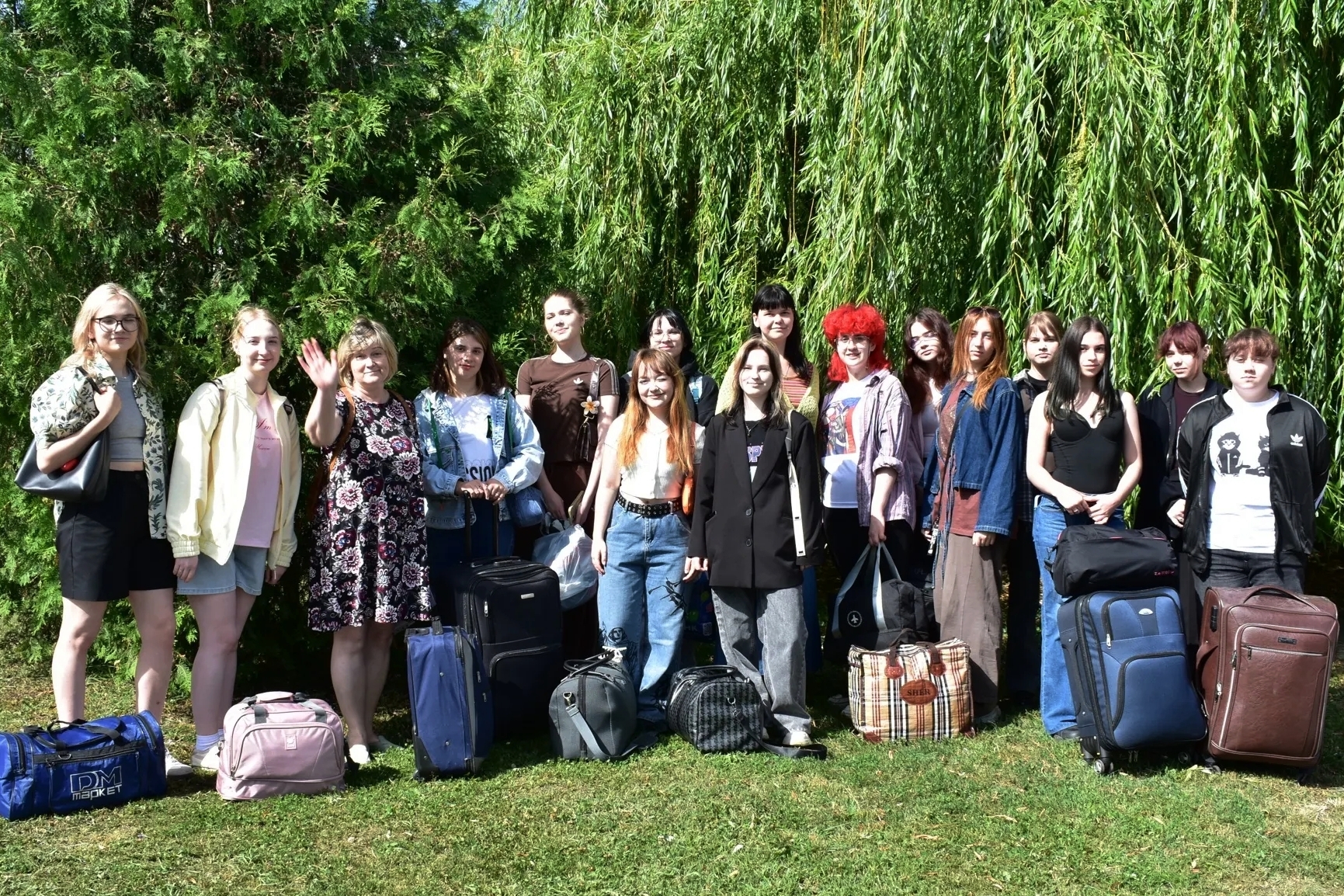
The Derzhavin group conducted a historical and linguistic study, "Geography of Historical and Cultural-Linguistic Concepts of Tambov Artisans." Researchers and students from the G.R. Derzhavin Tambov State University studied the influence of socioeconomic processes occurring in the artisanal community on the formation of a professional vocabulary. The project began with field expeditions in the Morshansky Municipal District, known for its large artisan centers since pre-revolutionary Russia.
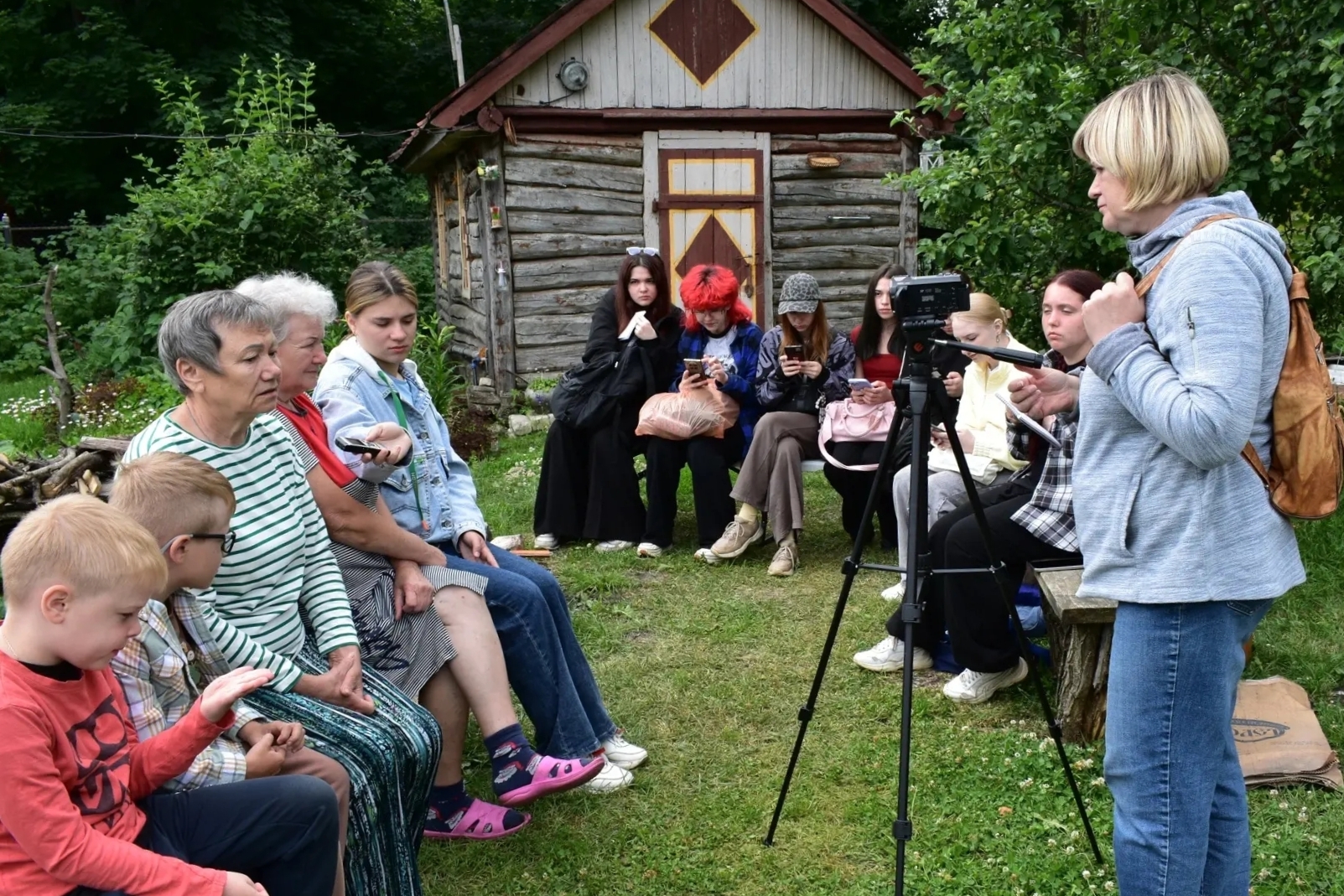
Second- and third-year students majoring in Philology, specializing in "Russian Philology (Russian Language and Literature)," and first-year master's students majoring in Philology, specializing in "Russian Language and Literature in the Context of National Culture," interviewed artisans, their family members, and relatives. The Derzhavin group identified the vocabulary used in the non-agricultural labor activities of rural residents. Audio recordings of elders were made to document ritual and everyday practices, as well as describe traditional life and customs. The initiative of the Derzhavin University representatives was supported by the Russian Geographical Society.
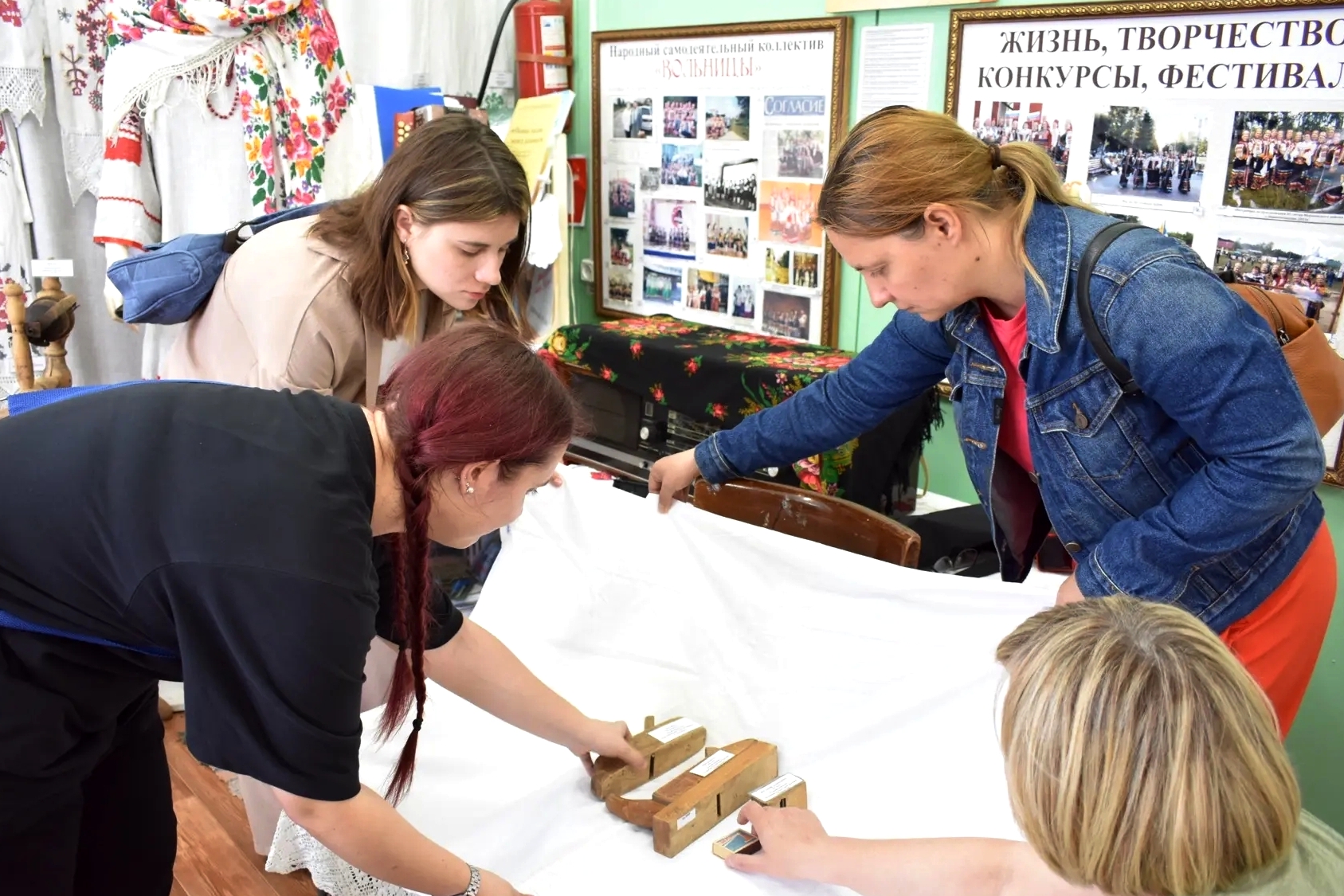
"The expedition covered three villages—Algasovo, Rybnoye, and Temyashevo—and the village of Kanada Nikolskaya. A meeting with the head of the Morshansky Municipal District, Evgeny Burenin, and his deputy, Galina Kulyukina, helped determine the expedition's routes," said project leader Tatyana Makhracheva, PhD in Philosophy and Associate Professor of the Department of Russian Language, Russian, and Foreign Literature at Derzhavin University. "Our curator in the village of Algasovo, Nadezhda Lomova, head of the Algasovo branch of the Inter-Settlement Library of the Tambov Municipal District, organized meetings with the artisans, their relatives, descendants, and elders of the villages." During their research, the Derzhavin residents identified the names of hereditary master felters and carders. Residents retain a well-preserved memory of information related to felting, wool-beating, carpentry, and beekeeping. Their active vocabulary includes craft vocabulary for equipment, craftsmen, and other vocabularies. Descendants of masters who, as children in the 20th century, actively participated in the production of felted footwear and still master the technique of hand felting still live in the village of Kanada Nikolskaya.