The results of the cultural and educational project "School of the Russian Language and Russian Folk Culture" have been summed up. Its participants were Russian language teachers from Belarus, Kazakhstan, Kyrgyzstan and Uzbekistan. The school was held on the initiative of Rector Pavel Moiseyev as part of the implementation of Derzhavin University’s mission as a "University of Public Diplomacy".
– “University of Public Diplomacy” is not just words. This is the content of the university’s activities, – says Pavel Moiseyev. – It should be aimed at promoting the Russian language, deepening interregional and interuniversity cooperation with different countries, strengthening Russian positions abroad. These are the tasks that the school solved at its level. We are very happy that Russian language teachers came to our university. Such human communications make the world safer and better.
The educational block of the project included the course on "The Russian Language and Culture in the Context of Modern Pedagogical Technologies". The program also included practical events - expert and business meetings, visits to cultural sites in the region, and participation in the ethno festival "Atmanovskie Kulachki - 2024".
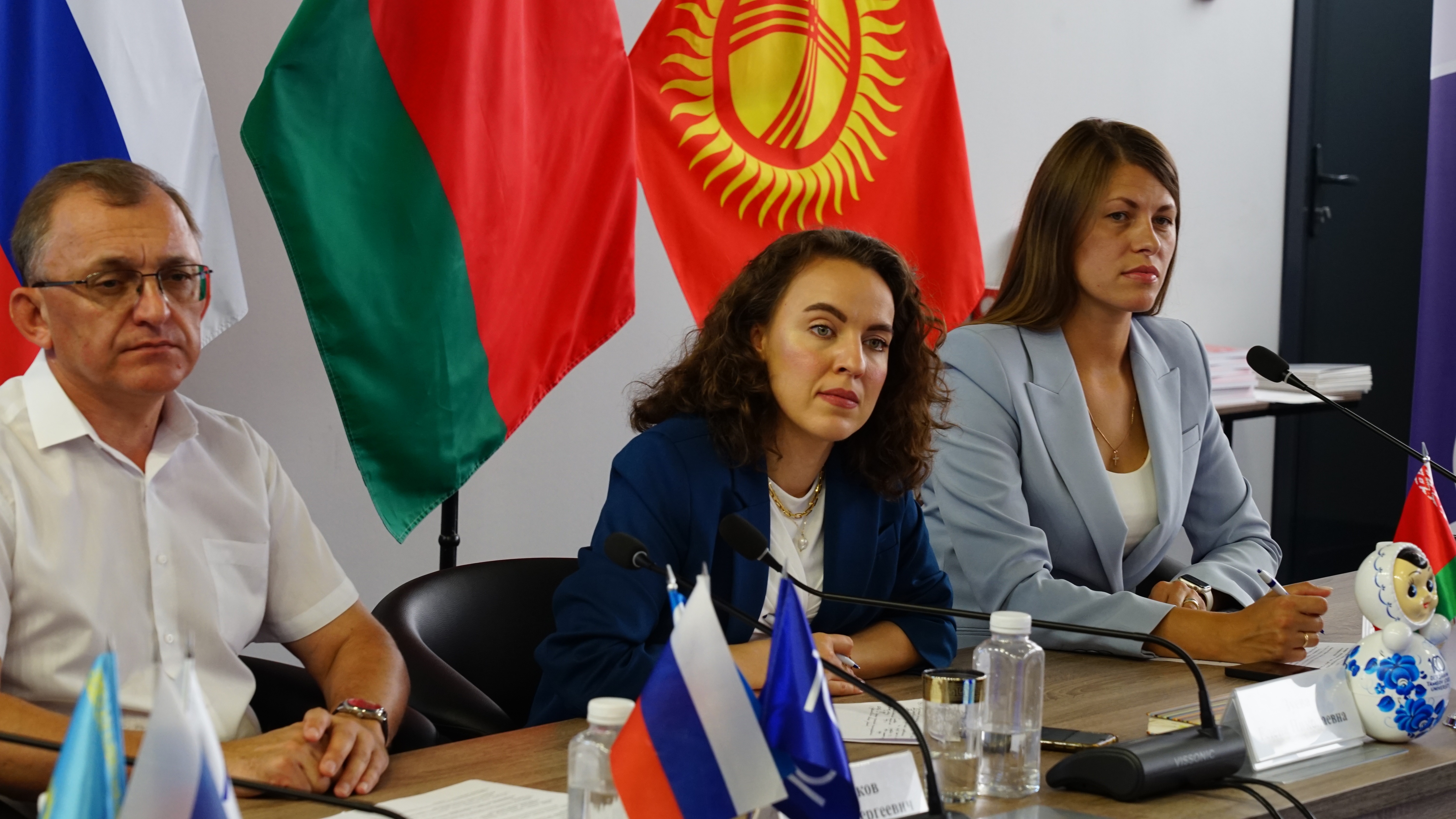
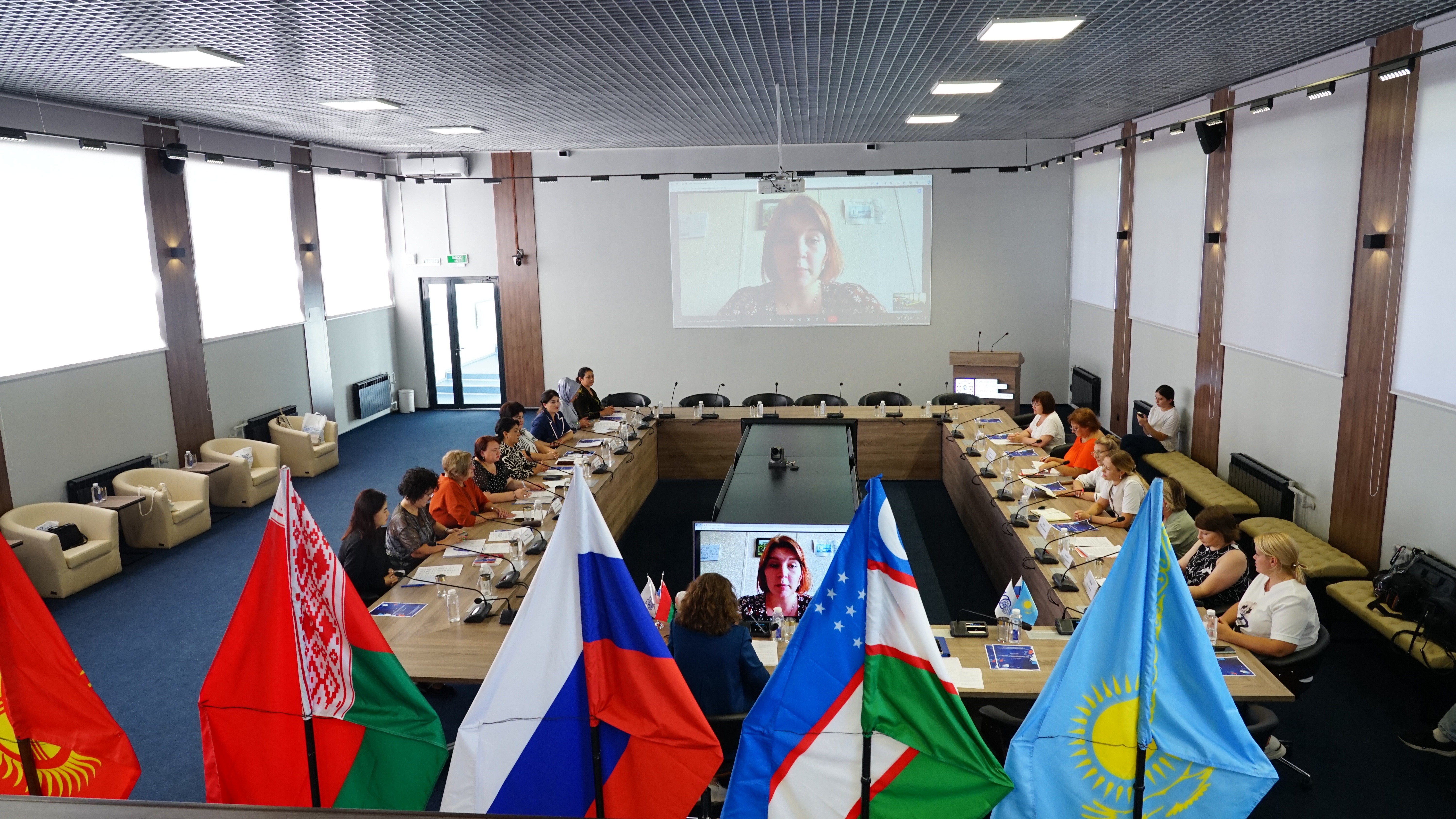
The final point of the event was the round table "Russian Language in the International Space: Importance and Development Prospects". In addition to the organizers and international guests, its participants included experts from RUDN and the A.S. Pushkin Institute of the Russian Language.
The reports by Svetlana Deryabina (RUDN University), Elizaveta Golovakha (A.S. Pushkin Institute of the Russian Languages), Antonina Shcherbak, Olga Dronova, Elena Miloserdova (all from Derzhavin Tambov State University) examined the role of the Russian language in various intercultural and interstate interactions. The presentations by Lyudmila Khvorova and Irina Mashenkova (both from Derzhavin Tambov State University) summarized the very specific experience of promoting the Russian language in China and Uzbekistan. On the other hand, Shakhlo Obloberdievna Dzhamaldinova (Samarkand State Medical University, Uzbekistan), Zamira Chingizovna Radzhobova (Uzbek-Finnish Pedagogical Institute, Uzbekistan), Raziya Ibragimovna Narmanova (Astana International University, Kazakhstan), Shaargul Dzhamadidinovna Ertigitova (Bashkent State University, Kyrgyzstan) spoke about the need to teach the Russian language and ways of its development using examples from different countries. All the participants of School agreed that the Russian language is now a bridge connecting cultures and peoples.
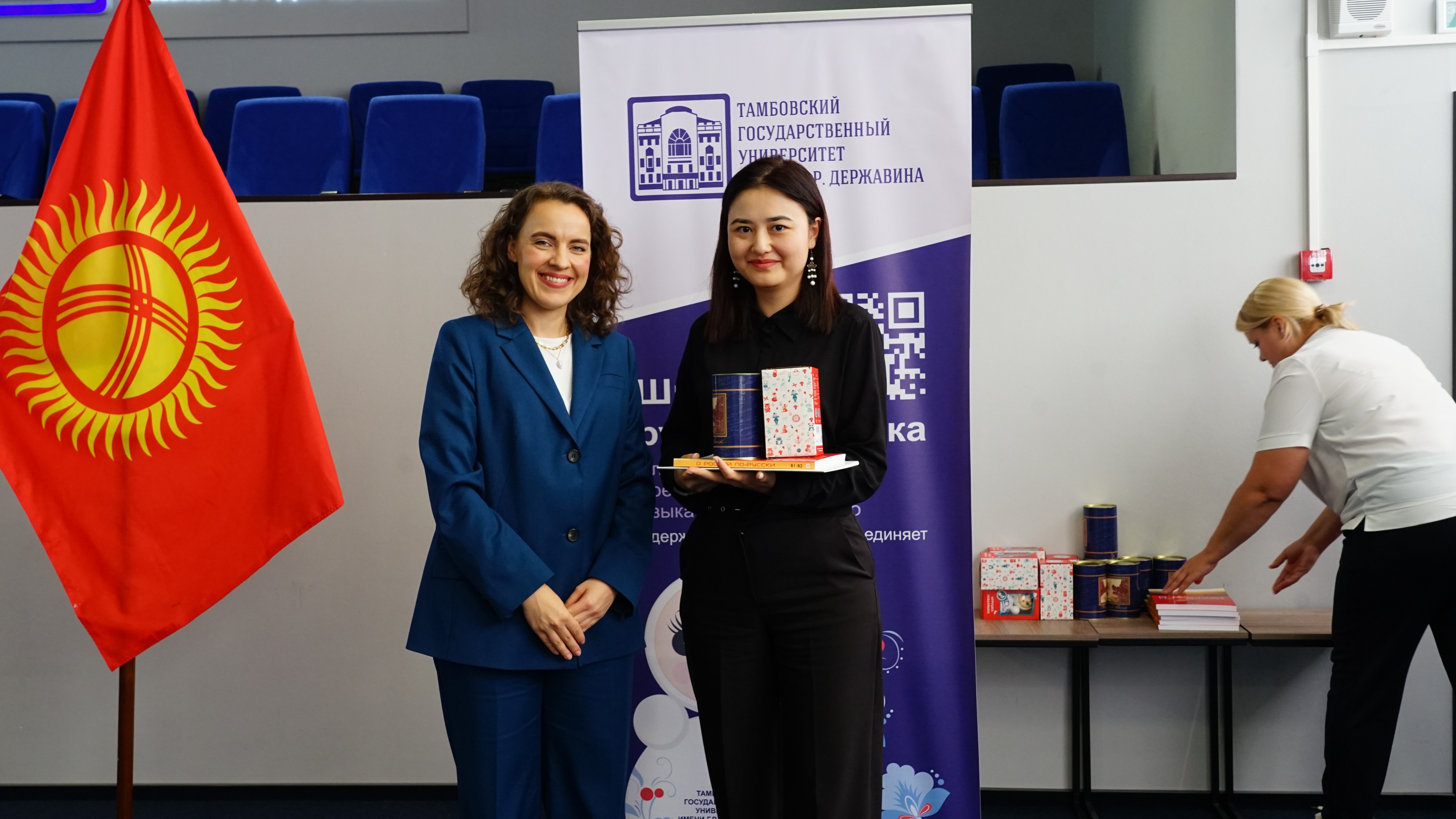
On completion of the School program, all the participants were awarded certificates of advanced training and given teaching aids on teaching Russian as a foreign language, developed by Derzhavin University professors.